格物
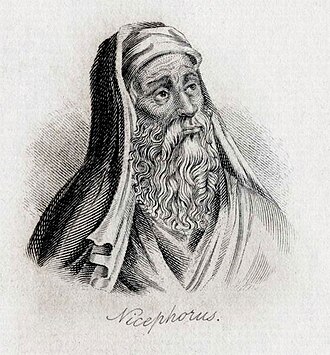
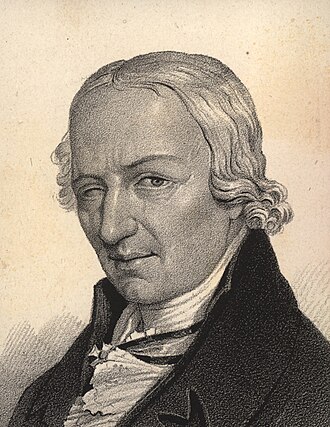
图:作者不详 · CC BY-SA 4.0 · Wikimedia Commons
尼基弗鲁斯·格雷戈拉斯1295—1360
Nicephorus Gregoras
Byzantine astronomer and scholar
Nicephorus Gregoras was a Byzantine astronomer, historian, and theologian. His 37-volume Roman History, a work of erudition, constitutes a primary documentary source for the 14th century.
摘自英文维基百科「Nicephorus Gregoras」(英文维基百科,暂无中文条目),CC BY-SA 4.0
- 出生
- 1295 年,赫拉克利亚·潘提卡
- 逝世
- 1360 年,君士坦丁堡
- 国籍
- 拜占庭帝国
- 学科
- 天文学、博物与综合
- 职业
- 天文学家、历史学家、占星家、哲学家
- 母语 / 工作语言
- 中古希腊语、古希腊语
研究领域
师承
师从2
来自 Wikidata 的「博士导师」「师从」「博士生」「学生」记录,可能不全。
百科正文
本条目暂无中文维基百科条目,下面是英文维基百科原文。
Life
Gregoras was born at Heraclea Pontica, in Bithynia of Asia Minor, where he was raised and educated by his uncle, John, who was the Bishop of Heraclea. At an early age he settled at Constantinople, where his uncle introduced him to Andronicus II Palaeologus, by whom he was appointed chartophylax (keeper of the archives). In 1326 Gregoras proposed (in a treatise which remains in existence) certain reforms in the calendar, which the emperor refused to carry out for fear of disturbances; over two hundred years later they were introduced by Gregory XIII on almost the same lines.
Downfall of Andronicus II
When Andronicus was dethroned (1328) by his grandson Andronicus III Palaeologus, Gregoras shared his downfall and retired into private life. Attacked by Barlaam of Calabria, he was with difficulty persuaded to come forward and meet him in a war of words, in which Barlaam was bested. This greatly enhanced his reputation and brought him a large number of pupils.
Gregoras remained loyal until the death of the elder Andronicus. Thereafter he succeeded in gaining the favour of Andronicus III, who appointed him to conduct negotiations for a union of the Greek and Latin churches with the ambassadors of Pope John XXII. The negotiations, which took place in 1333, failed to achieve a resolution.
Hesychast controversy
Beginning in 1346, Gregoras took an important part in the Hesychast controversy at the encouragement of the Empress Anna, by publishing a tract in which he staunchly opposed Gregorius Palamas, the chief supporter of the doctrine. Although he persuaded some prominent churchmen, such as Joseph of Ganos and Arsenios of Tyre, his opinion was opposed to those of Emperor John VI Cantacuzene. Although he presented his views at length at the synod of 1351, that synod declared his views heretical and the doctrines of Palamas orthodox. He and other dissidents were given the opportunity to recant, and he refused. He was then practically imprisoned in a monastery for two years.
Campaign against doctrine of Gregorius Palamas
Although the doctrine of Gregorius Palamas came to be accepted by the majority of the Orthodox Church, Gregoras persisted in campaigning against what he considered a heretical doctrine forced upon the Church by a robber council. He became a monk and devoted himself to campaigning against the Palamites, destroying his friendship with John Cantacuzene. He was first placed under house arrest, then confined to the Chora Monastery. When he was released from the monastery in 1354, Gregoras returned to his preaching and denunciations. Gregoras devotes two of the 37 books of his Roman History on his objections to the doctrine of Palamas; according to Donald Nicol, "It is disappointing that Gregoras the philosopher and historian should have degenerated into a ranting polemicist in his declining years."
Astronomy
Gregoras is known to have predicted with exactitude a total solar eclipse on 16 July 1330 using Ptolemy's Handy Tables and Almagest. In astronomy, Gregoras was a pupil of Theodore Metochites.
以上内容摘自英文维基百科「Nicephorus Gregoras」,按 CC BY-SA 4.0 使用,去掉了参考文献、外部链接等尾部小节,公式改写成了纯文本。全文、配图和出处见原文。
同一学科的科学家
更多 ›