 格物
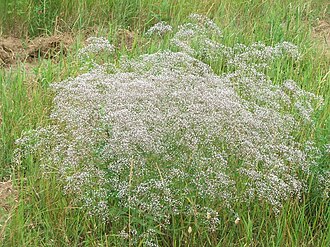
图:Pi · Public domain · Wikimedia Commons
- 学名
- Gypsophila paniculata
- 分类等级
- 种
- 上级类群
- 石头花属
- 大类
- 被子植物
- 命名
- 卡尔·林奈,1753 年
- 中文别名
- 宿根满天星、锥花丝石竹、圆锥花丝石竹、丝石竹、锥花霞草
- 用途
- 药用植物
- 数据库
- NCBI 分类 · GBIF
百科正文
英文维基百科补充中文条目比较短,下面是英文条目「Gypsophila paniculata」的原文
Gypsophila paniculata, the baby's breath, common gypsophila or panicled baby's-breath, is a species of flowering plant in the family Caryophyllaceae, native to central and eastern Europe. It is an herbaceous perennial growing to 1.2 m (4 ft) tall and wide, with mounds of branching stems covered in clouds of tiny white flowers in summer (hence the common name "baby's breath"). Another possible source of this name is its scent, which has been described as sour milk, like a baby's "spit-up". Its natural habitat is on the Steppes in dry, sandy and stony places, often on calcareous soils (gypsophila = "chalk-loving"). Specimens of this plant were first sent to Linnaeus from St. Petersburg by the Swiss-Russian botanist Johann Amman.
Cultivation
It is a popular ornamental garden subject, and thrives in well-drained alkaline to neutral soils in full sun. Numerous cultivars have been selected, of which 'Rosenschleier' (with pale pink double flowers) has gained the Royal Horticultural Society's Award of Garden Merit.
Toxicity
Gypsophila paniculata is toxic to humans, and can cause contact dermatitis.
Floristry
Gypsophila paniculata is much used in the floristry trade (where it is often simply called "gyp") providing an effective backdrop for larger or more structured blooms. It is commercially cultivated in Peru, forming a major portion of that country's flower exports. It is commonly grown and sold for corsages in the United States.
Invasive
Gypsophila paniculata is now widely distributed in North America. It is classed as an invasive species in places around the Great Lakes, such as the Sleeping Bear Dunes National Lakeshore and the Chicago region, in the Pacific Northwest, and California where it is a declared noxious weed.
Pests and diseases
Root development is completely inhibited by Pantoea agglomerans pv. glysophilae. Both Pag and Pantoea agglomerans pv. betae cause gall formation. Pag is a problem for the floral industry, for example in the Israeli industry.
以上内容摘自英文维基百科「Gypsophila paniculata」,按 CC BY-SA 4.0 使用,去掉了参考文献、外部链接等尾部小节,公式改写成了纯文本。全文、配图和出处见原文。