格物
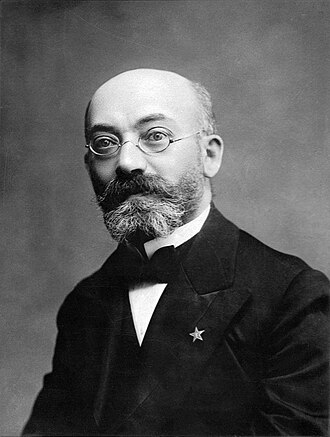
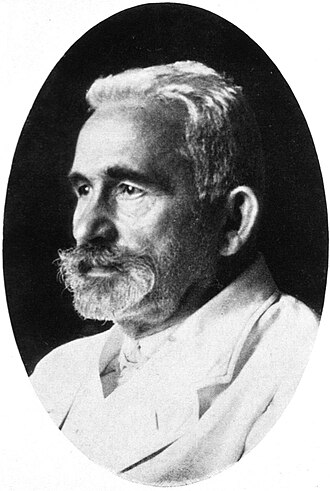
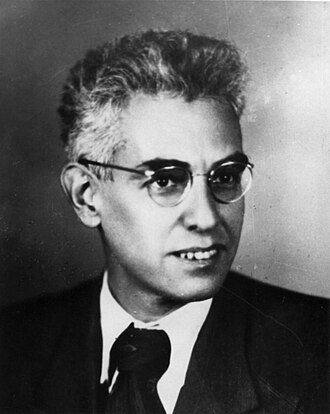
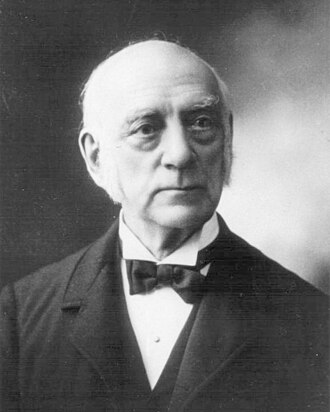
图:作者不详 · Public domain · Wikimedia Commons
- 出生
- 1859 年 12 月 15 日,比亚韦斯托克
- 逝世
- 1917 年 4 月 14 日,华沙
- 国籍
- 俄罗斯帝国、波兰王国 (1916–1918)
- 学科
- 医学、工程与发明
- 职业
- 语言学家、眼科医生、发明家、诗人
- 母语 / 工作语言
- 世界语、俄语、波兰语、德语、拉丁语
- 母校
- Medical faculty of Moscow University、Imperial University of Warsaw
研究领域
主要贡献
代表成就
所获奖项(3)
- 1905法国荣誉军团骑士勋章
- 1907Honorary President of the World Esperanto Association
- 1909Commander of the Order of Isabella the Catholic
学会与院士
百科正文
生平
他出生在比亚韦斯托克,当时波兰正受沙皇俄国统治,根据俄国的户籍规定,取名为拉扎尔·马尔科维奇·柴门霍夫(加上父名)。
柴门霍夫的母语是俄语和意第绪语,但他也精通波兰语和德语,他又曾学习了法语、拉丁语、希腊语、英语和希伯来语,同时也研究意大利语、西班牙语和立陶宛语。
他出生的小镇有三个民族的人居住:波兰人、犹太人和白俄罗斯人。由于语言、宗教信仰不同,所以他们经常互相产生偏见和仇恨。柴门霍夫认为语言不同使人们不能互相交流是产生偏见的主要原因,所以当他在华沙上中学时,他就试图创造一种人类共同的语言,以使不同民族的人可以好好地互相交流。
后来他先后到莫斯科和华沙学医,毕业后成为一名眼科医生,在行医过程中他一直学习外语和致力于继续研究国际语言,直到1887年在他未来岳父的资助下,他才能以笔名“希望博士”出版他的研究成果:《国际语言》。世界语中“希望博士”为“Doktoro Esperanto”,Esperanto也就成为世界语的习惯名称。世界语成为柴门霍夫实现和平和不同文化交流理想的希望。
世界语主要以印欧语系的日耳曼语族和罗曼语族的单字为基础,将文法尽可能地简化,使书面文字和发音完全互相符合,因此简单易学,成为普及最成功的一种人造语言,在世界许多国家都有世界语的团体。
以上内容摘自维基百科「拉扎鲁·柴门霍夫」,按 CC BY-SA 4.0 使用,去掉了参考文献、外部链接等尾部小节,公式改写成了纯文本。全文、配图和出处见原文。
英文维基百科补充中文条目比较短,下面是英文条目「L. L. Zamenhof」的原文
L. L. Zamenhof (15 December 1859 – 14 April 1917) was the creator of Esperanto, the most widely used constructed international auxiliary language.
Zamenhof published Esperanto in 1887, although his initial ideas date back as far as 1873. He grew up fascinated by the idea of a world without war and believed that this could happen with the help of a new international auxiliary language (IAL). The language was intended as a tool to gather people together through neutral, fair, equitable communication. He successfully formed a community which has survived to this day, despite the World Wars of the 20th century and various attempts to reform the language or create more modern IALs (Esperanto itself had displaced another similarly-motivated language, Volapük). Additionally, Esperanto has developed like other languages: through the interaction and creativity of its users.
In light of his achievements, and his support of intercultural dialogue, UNESCO selected Zamenhof as one of its eminent personalities of 2017, on the 100th anniversary of his death. According to Esperanto communities, as of 2019 there are approximately 2 million people speaking Esperanto, including approximately 1,000 native speakers, although evidence to that has been heavily disputed, and the last major effort to improve the estimate occurred in 2004.
Homaranismo
Besides his linguistic work, Zamenhof published a religious philosophy he called Homaranismo (the term in Esperanto, usually rendered as "humanitism" in English, sometimes rendered loosely as humanitarianism or humanism), based on the principles and teachings of Hillel the Elder. He said of Homaranismo: "It is indeed the object of my whole life. I would give up everything for it."
Death
Zamenhof died in Warsaw on 14 April 1917, possibly of a heart attack, and was buried at the Okopowa Street Jewish Cemetery. The farewell speech was delivered by the chief rabbi and preacher of the Great Synagogue in Warsaw, Samuel Abraham Poznański, who said: "There will be a time where [sic] the Polish soil and nation will understand what fame gave this great son of God to his homeland."
以上节选摘自英文维基百科「L. L. Zamenhof」,按 CC BY-SA 4.0 使用,去掉了参考文献、外部链接等尾部小节,公式改写成了纯文本。篇幅所限,较长的小节只摘了开头一部分,有的小节没有收;全文、配图和出处见原文。