格物
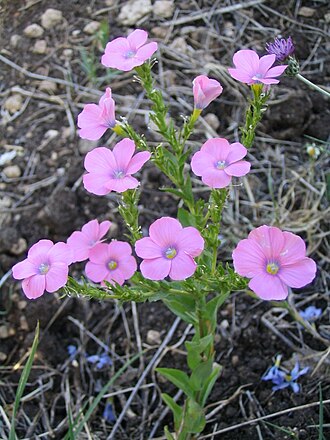
图:Public domain · Wikimedia Commons
生命之树 › 真核生物 › 植物 › 绿色植物 › 链型植物 › 金虎尾目
亚麻科科
Linaceae
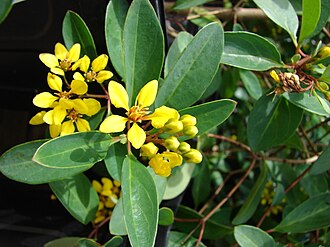
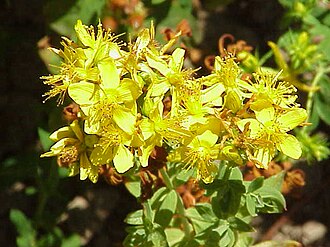
亚麻科植物绝大部分为草本,稀有木本植物,但在热带地区也有一些长成树木的物种。本科植物叶为单叶互生,有的物种有托叶;花两性,5裂,在热带地区也有4裂的。本科植物共有8属约250种,全球分布,其中亚麻属最大,有约180-200种,中国共有4属12种。克朗奎斯特分类法将亚麻科和古柯科、粘木科等单独分为亚麻目,1998年的APG 分类法根据基因亲缘关系将亚麻科列入新设立的金虎尾目,2003年经过修订的APG II 分类法将亚麻藤科合并到本科中,分为“亚麻族”和“亚麻藤族”两类。
摘自维基百科「亚麻科」,CC BY-SA 4.0
- 学名
- Linaceae
- 分类等级
- 科
- 上级类群
- 金虎尾目
- 大类
- 被子植物
- 命名
- 卡尔·尤利乌斯·佩勒布,1818 年
- 数据库
- NCBI 分类 · GBIF
下级类群(1)
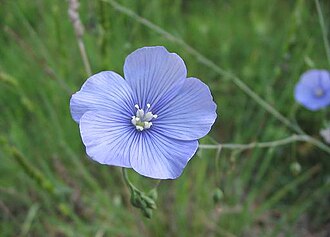
- 亚麻属 Linum 属
百科正文
最重要的物种亚麻有纤维用和油用的栽培品系,其中纤维用的在中国黑龙江等地有种植,“亚麻纤维”被称为“纤维皇后”。油用的在山西、内蒙等地是重要的油料作物,其油被俗称为“胡麻油”,虽然和胡麻科并没有较近的亲缘关系。
- 属
- 异腺草属 Anisadenia
- Cliococca
- Hesperolinon
- 亚麻属 Linum
- Radiola
- 石海椒属 Reinwardtia
- Sclerolinon
- 青篱柴属 Tirpitzia
历史
对埃及法老墓的研究表明:亚麻织布最迟出现在公元前五千至四千年。古埃及男子衣着习惯是上身袒露,下身包缠着围裙,这种裙子就是亚麻布制成的。在古希腊罗马时代,亚麻传入地中海沿岸,中世纪传入欧洲内地。十世纪,亚麻纤维在欧洲市场上普遍流通。拿破仑时代,法国盛产亚麻,拿破仑曾发布命令悬赏100万法郎,征集亚麻纺织品高速高质量纺纱机。1810年法国人菲利普·热拉尔发明了湿纺细纱机。
以上内容摘自维基百科「亚麻科」,按 CC BY-SA 4.0 使用,去掉了参考文献、外部链接等尾部小节,公式改写成了纯文本。全文、配图和出处见原文。
英文维基百科补充中文条目比较短,下面是英文条目「Linaceae」的原文
Linaceae is a family of flowering plants. The family is cosmopolitan, and includes about 250 species in 14 genera, classified into two subfamilies: the Linoideae and Hugonioideae.
Description
The leaves of the Linaceae are always simple; arrangement varies from alternate (most species) to opposite (in Sclerolinon and some Linum) or whorled (in some Hesperolinon and Linum species). The hermaphroditic, actinomorphic flowers are pentameric or, very rarely, tetrameric (e.g., Radiola linoides, Linum keniense).
Taxonomy
Under the old Cronquist system of classifying the flowering plants, the Linaceae were placed in their own order, the Linales. Modern classifications place them in the order Malpighiales.
In addition to their growth habits and geographic distributions, the two subfamilies can be differentiated by the number of fertile stamens (five in the Linoideae, ten in the Hugonioideae) and fruit type (capsules in the Linoideae, fleshy drupe-like fruits in the Hugonioideae).
Subfamily Linoideae
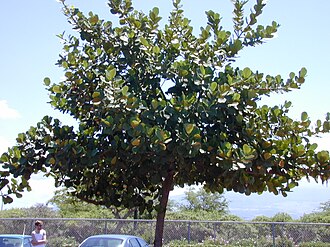
The largest genus of the Linoideae is Linum, the flaxes, with 180–200 species including the cultivated flax, L. usitatissimum. Members of the Linoideae include herbaceous annuals and perennials, as well as woody subshrubs, shrubs, and small trees (Tirpitzia) inhabiting temperate and tropical latitudes of Eurasia, Africa, Australia, and the Americas.
- Anisadenia Wall. ex Meisn. (2 sp.)
- Hesperolinon (Gray) Small (13 sp.)
- Linum L. (approximately 200 species)
- Radiola Hill (1 sp.)
- Reinwardtia Dumort. (1 sp.)
- Sclerolinon C.M.Rogers (1 sp.)
- Tirpitzia Hallier f. (3 sp.)
- Formerly included: Cliococca (synonym of Linum L.)
Subfamily Hugonioideae
The Hugonioideae subfamily is often recognized as a distinct family, the Hugoniaceae.
The largest genus of the Hugonioideae is Hugonia (about 40 species); the Hugonioideae are woody vines, shrubs, and trees, and are almost entirely tropical in distribution.
- Hebepetalum Benth. (3 sp.)
- Hugonia l. (6 sp.)
- Indorouchera Hallier f. (1 sp.)
- Roucheria Planch. (7 sp.)
Formerly included: Durandea (synonym of Hugonia L.) and Philbornea (synonym of Hugonia L.)
以上内容摘自英文维基百科「Linaceae」,按 CC BY-SA 4.0 使用,去掉了参考文献、外部链接等尾部小节,公式改写成了纯文本。全文、配图和出处见原文。