格物
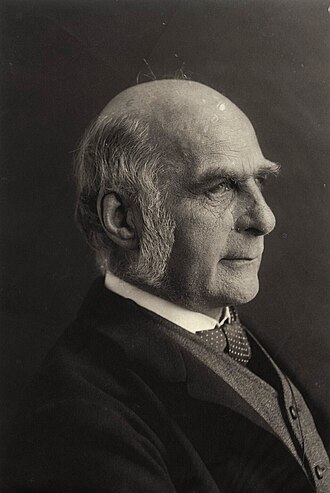
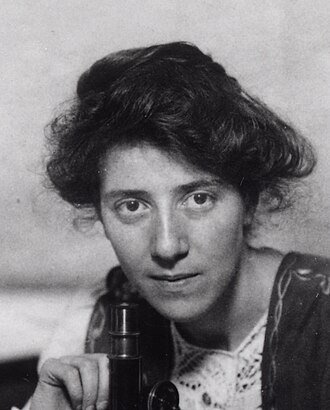
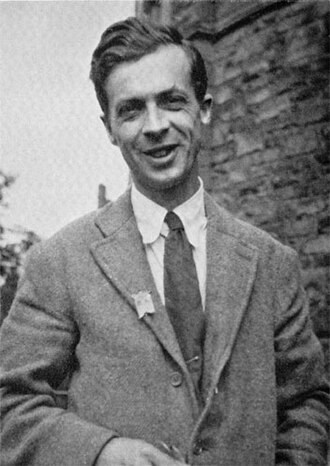
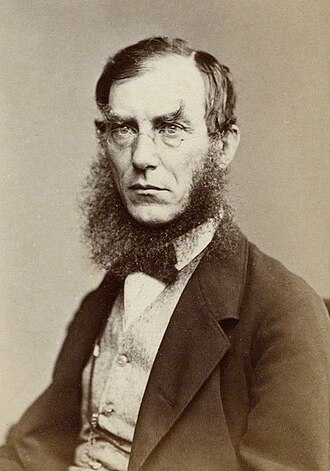
图:Eveleen Myers (née Tennant) · Public domain · Wikimedia Commons
弗朗西斯·高尔顿1822—1911
Francis Galton
英国博学家:地理学家,统计学家,优生学的先驱
弗朗西斯·高尔顿爵士,FRS,英格兰维多利亚时代的博学家、人类学家、优生学家、热带探险家、地理学家、发明家、气象学家、统计学家、心理学家和遗传学家,查尔斯·达尔文的表弟
摘自维基百科「法蘭西斯·高爾頓」,CC BY-SA 4.0
- 出生
- 1822 年 2 月 16 日,Sparkbrook
- 逝世
- 1911 年 1 月 17 日,格雷肖特
- 国籍
- 大不列颠及爱尔兰联合王国
- 学科
- 生物学、数学、地球科学、工程与发明、博物与综合
- 职业
- 数学家、探险家、人类学家、遗传学家
- 母语 / 工作语言
- 英语
- 母校
- 伦敦国王学院(1840 年)、剑桥大学三一学院(1843 年)、爱德华国王学校(1838 年)
研究领域
主要贡献
代表成就
本站收录的发现与发明
师承
博士导师1
博士生1
来自 Wikidata 的「博士导师」「师从」「博士生」「学生」记录,可能不全。
所获奖项(9)
学会与院士
百科正文
生平
高尔顿一生中发表了超过340篇的报告和书籍,他在1909年获封爵士。他在1883年率先使用“优生学”(Eugenics)一词。在他于1869年的著作《遗传的天赋》中,高尔顿主张人类的才能是能够透过遗传延续的。
他在统计学方面也有贡献,高尔顿在1877年发表关于种子的研究结果,指出子代的种子大小有回归到平均值(regression toward the mean)的现象,建立了回归分析这一套被广为使用的统计方法。在此后的研究中,高尔顿第一次使用了相关系数的概念。他使用字母“r”来表示相关系数,这个传统一直延续至今。同时他也发表了关于指纹的论文和书籍,被认为对于现代利用指纹进行犯罪搜查方面有很大的贡献。
他在心理学方面也有贡献,他在1884年出版《品格的测量》,是差异心理学和心理测量学的科学方法的创立者。
以上内容摘自维基百科「法蘭西斯·高爾頓」,按 CC BY-SA 4.0 使用,去掉了参考文献、外部链接等尾部小节,公式改写成了纯文本。全文、配图和出处见原文。
英文维基百科补充中文条目比较短,下面是英文条目「Francis Galton」的原文
Sir Francis Galton (; 16 February 1822 – 17 January 1911) was an English polymath active as a statistician, anthropologist, psychologist, meteorologist, explorer, and geographer who was the originator of eugenics during the Victorian era, contributing extensively to the foundations of behavioural genetics.
Galton produced over 340 papers and books. He also developed the statistical concept of correlation and widely promoted regression toward the mean. He was the first to apply statistical methods to the study of human differences and inheritance of intelligence, and introduced the use of questionnaires and surveys for collecting data on human communities, which he needed for genealogical and biographical works and for his anthropometric studies. He popularised the phrase "nature versus nurture". His book Hereditary Genius (1869) was the first social scientific attempt to study genius and greatness.
As an investigator of the human mind, he founded psychometrics and differential psychology, as well as the lexical hypothesis of personality. He devised a method for classifying fingerprints that proved useful in forensic science. He also conducted research on the power of prayer, concluding it had none due to its null effects on the longevity of those prayed for. His quest for the scientific principles of diverse phenomena extended even to the optimal method for making tea. As the initiator of scientific meteorology, he devised the first weather map, proposed a theory of anticyclones, and was the first to establish a complete record of short-term climatic phenomena on a European scale. He also invented the Galton whistle for testing differential hearing ability. Galton was knighted in 1909 for his contributions to science. He was Charles Darwin's half-cousin.
He has received significant criticism for being a proponent of social Darwinism, eugenics, and biological racism; indeed he was a pioneer of eugenics, coining the term itself in 1883. Galton is credited with popularizing the phrase "nature versus nurture" to frame the academic discussion regarding the relative influence of heredity and environment on human ability and social advancement.
以上节选摘自英文维基百科「Francis Galton」,按 CC BY-SA 4.0 使用,去掉了参考文献、外部链接等尾部小节,公式改写成了纯文本。篇幅所限,较长的小节只摘了开头一部分,有的小节没有收;全文、配图和出处见原文。
同一学科、同时代的科学家



同一学科的科学家
更多 ›