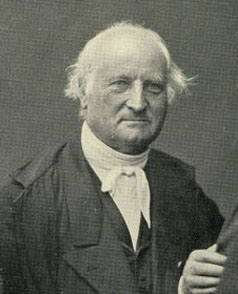
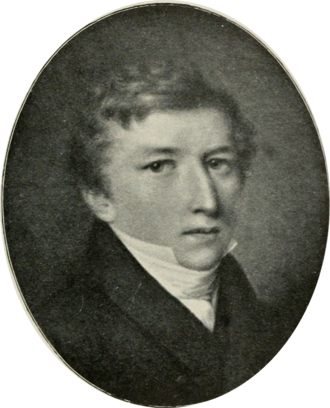
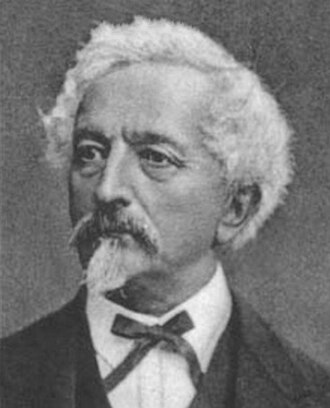
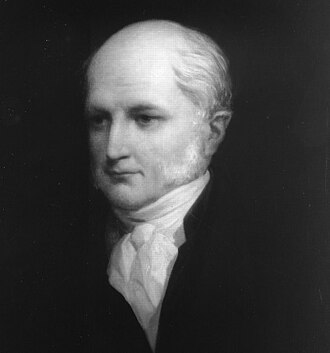
格物
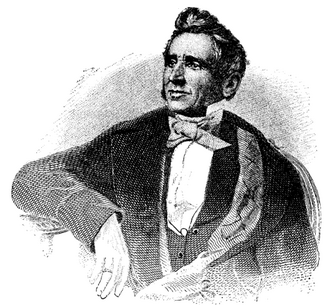
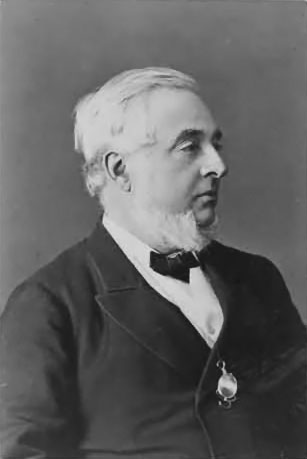
图:Public domain · Wikimedia Commons
- 出生
- 1800 年 12 月 29 日,纽黑文
- 逝世
- 1860 年 7 月 1 日,纽约
- 国籍
- 美国
- 学科
- 化学、工程与发明
- 职业
- 发明家、化学家、工程师、企业家
主要贡献
本站收录的发现与发明
所获奖项(1)
- 1976美国发明家名人堂
百科正文
古德伊尔致力于发明化学技术来制造柔韧,防水,可塑的橡胶。世界第五大轮胎厂固特异轮胎与橡胶公司的名字就是为了纪念古德伊尔。
逝世和遗产
古德伊尔于1860年7月1日去世。他到纽约探望濒死的女儿,得知他的女儿已经死亡后,他倒下并被带到纽约市第五大道酒店,他在那里去世,享年59岁。他被埋葬在纽黑文的格罗夫街公墓。
1898年,在他去世近四十年后,固特异轮胎和橡胶公司成立,弗兰克·塞伯林并以他名字中的“Goodyear”命名。
1976年2月8日,他成了六位入选美国国家发明家名人堂的人。
在马萨诸塞州的沃本,有一所以他命名的小学。法国政府于1855年将他作为荣誉勋章。
ACS橡胶部门授予古德伊尔“Charles Goodyear Medal”奖章。该奖章旨在表彰主要发明人,创新者和开发者,他们的贡献导致橡胶行业的性质发生重大变化。
古德伊尔沿条制法(Goodyear Welt),制鞋技术,由他的儿子小查尔斯.古德伊尔(Charles Goodyear Jr.)的名字命名。
外部网站
古德伊尔沿条制法(Goodyear Welt) (页面存档备份,存于互联网档案馆)
以上内容摘自维基百科「查尔斯·古德伊尔」,按 CC BY-SA 4.0 使用,去掉了参考文献、外部链接等尾部小节,公式改写成了纯文本。全文、配图和出处见原文。
英文维基百科补充中文条目比较短,下面是英文条目「Charles Goodyear」的原文
Charles Goodyear (December 29, 1800 – July 1, 1860) was an American self-taught chemist and manufacturing engineer who developed vulcanized rubber, for which he received patent number 3633 from the United States Patent Office on June 15, 1844.
Goodyear is credited with inventing the chemical process to create and manufacture pliable, waterproof, moldable rubber.
Goodyear's discovery of the vulcanization process followed five years of searching for a more stable rubber and stumbling upon the effectiveness of heating after Thomas Hancock. His discovery initiated decades of successful rubber manufacturing in the Lower Naugatuck Valley in Connecticut, as rubber was adopted to multiple applications, including footwear and tires. The Goodyear Tire and Rubber Company is named after (though not founded by) him.
Early life, family and education
Charles Goodyear was born on December 29, 1800, in New Haven, Connecticut, the son of Amasa Goodyear, and the oldest of six children. His father was a descendant of Stephen Goodyear, successor to Governor Eaton as the head of the company London Merchants, who founded the colony of New Haven in 1638.
Around 1817, Charles left his home and went to Philadelphia to learn the hardware business. He worked industriously until he was twenty-five years old, and then, returning to Connecticut, entered into a partnership in his father's business in Naugatuck, Connecticut, where they manufactured not only ivory and metal buttons, but also a variety of agricultural supplements.
Marriage and early career
On August 3, 1824, he married Clarissa Beecher, whom he met at his Congregational Church. Two years later the family moved to Philadelphia, and there Charles Goodyear opened a hardware store. This is where he did most of his work. His specialties were the valuable agricultural implements that his firm had been manufacturing, and after the first distrust of domestically made goods had worn away—for all agricultural implements were imported from England at that time—he found himself heading a successful business.
This continued to increase until it seemed that he was to be a wealthy man. Between 1829 and 1830 he broke down in health, being troubled with dyspepsia.
Perfection and patent of vulcanization
From 1834 through 1839, Goodyear worked anywhere he could find investors, and often moved locations, mostly within New York, Massachusetts, Philadelphia, and Connecticut. In 1839, Goodyear was at the Eagle India Rubber Company in Woburn, Massachusetts, where he discovered that combining rubber and sulfur over a hot stove caused the rubber to become rigid, a process which he called vulcanization because of the heat involved. For this Goodyear received US patent number 1090 on February 24 of the same year.
Several years earlier, Goodyear had started a small factory at Springfield, Massachusetts, to which he moved his primary operations in 1842. The factory was run largely by Nelson and his brothers.
Court cases regarding vulcanization
As soon as Goodyear patented his process in 1844, he became the subject of lawsuits from envious rubber entrepreneurs, who had failed in their own attempts but falsely claimed that Goodyear had stolen ideas from them or others. Goodyear's star and fortunes slowly rose as he prevailed in these trials, and by 1851 he was able to hire the famed orator and jurist Daniel Webster as his company's lawyer.
In 1852, Goodyear went to Europe, a trip that he had long planned, and saw Thomas Hancock, then in the employ of Charles Macintosh & Company. Hancock claimed to have invented vulcanization independently and had received a British patent, initiated in 1843 but finalized in 1844.
Death and legacy
Goodyear died on July 1, 1860, while traveling to see his dying daughter. After arriving in New York, he was informed that she had already died. He collapsed and was taken to the Fifth Avenue Hotel in New York City, where he died at the age of 59. Goodyear had never made a proper accounting of his debt, and at the time of his death his estate was in almost $200,000 of debt. His son Charles Jr. untangled the mismanaged books, paid off creditors, and provided a modest income for his family.
In 1898, almost four decades after his death, The Goodyear Tire & Rubber Company was founded and named after Goodyear by Frank Seiberling.
以上节选摘自英文维基百科「Charles Goodyear」,按 CC BY-SA 4.0 使用,去掉了参考文献、外部链接等尾部小节,公式改写成了纯文本。篇幅所限,较长的小节只摘了开头一部分,有的小节没有收;全文、配图和出处见原文。