格物

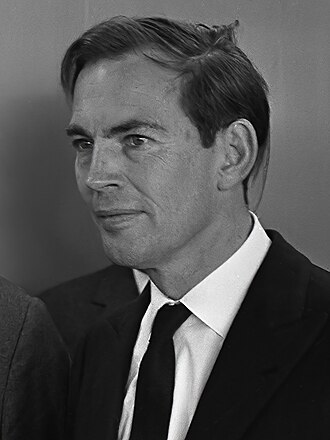
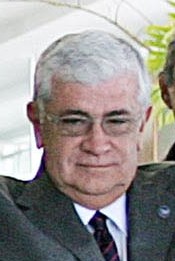
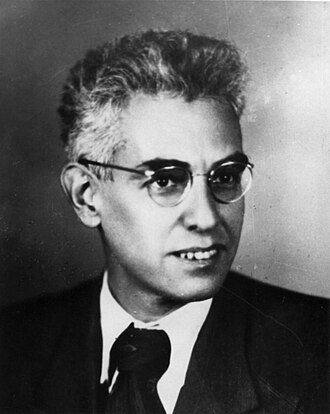
图:Kingkongphoto & www.celebrity-photos.com from Laurel Marylan… · CC BY-SA 2.0 · Wikimedia Commons
- 出生
- 1928 年 5 月 26 日,庞蒂亚克
- 逝世
- 2011 年 6 月 3 日,罗亚尔奥克
- 国籍
- 美国
- 学科
- 医学
- 职业
- 医生、作曲家、画家、爵士音乐家
- 母语 / 工作语言
- 英语、亚美尼亚语、德语、俄语、希腊语
- 母校
- 密歇根大学医学部、密歇根大学、密歇根大学医学院、Pontiac Central High School
百科正文
1998年凯沃基安因为一名渐冻人症患者执行安乐死而被捕并受审,后被判二级谋杀罪处10到25年徒刑,自1999年入狱服刑八年,于2007年6月1日在不再为他人提供自杀协助的条件下假释出狱。
凯沃基安也是油画画家和爵士乐手,曾限量售出他的绘画与音乐作品。
早年生活
1928年5月26日,凯沃基安出生于密歇根庞蒂亚克的一个来自于奥斯曼帝国(今土耳其)亚美尼亚裔的家庭。他的父亲列文(英语:Levon)(1887-1960)出生在艾斯伦附近的帕森村,母亲萨特尼格(英语:Satenig)(1900-1968)出生在锡瓦斯附近的戈夫敦村。1912年,他的父亲离开奥斯曼帝国的亚美尼亚,来到庞蒂亚克,在一家汽车工厂找到工作。母亲萨特尼格则在1915年的亚美尼亚种族大屠杀时,前往巴黎投靠亲戚避难,最后在庞蒂亚克与她的兄弟团聚。列文和萨特尼格是透过当地的亚美尼亚社区认识的,他们在那里结婚。
凯沃基安幼年时,他的父母每周都会带他去东正教教堂,而后他开始质疑上帝的存在,因为他认为一个全知全能的上帝会阻止对他的大家庭的亚美尼亚种族灭绝事件。因此在他12岁时,不再去教堂。
凯沃基安小时候就自学了多种语言,包括德语、俄语、希腊语和日语。由于超龄的表现,他经常被同龄的人疏远。1945年,17岁的凯沃基安以优异的成绩从庞蒂亚克中央高中毕业。1952年,他从密歇根大学医学院毕业。
流行文化
死亡医生:一部关于凯沃基安帮助患者结束生命的2010年电视传记片。
以上内容摘自维基百科「傑克·凱沃基安」,按 CC BY-SA 4.0 使用,去掉了参考文献、外部链接等尾部小节,公式改写成了纯文本。全文、配图和出处见原文。
英文维基百科补充中文条目比较短,下面是英文条目「Jack Kevorkian」的原文
Murad Jacob Kevorkian (May 26, 1928 – June 3, 2011), also known by the nickname "Dr. Death", was an American pathologist and euthanasia proponent. He publicly championed a terminal patient's right to die by physician-assisted suicide, embodied in his quote, "Dying is not a crime". Kevorkian said that he assisted at least 130 patients to that end. He was convicted of murder in 1999.
Kevorkian was tried four times for assisting suicides between 1994 and 1997, being acquitted the first three times and the fourth ending in a mistrial. In 1998, Kevorkian was arrested and tried for murder after broadcasting the voluntary euthanasia of a man named Thomas Youk who had Lou Gehrig's disease, or ALS. He was convicted of second-degree murder and served eight years of a 10-to-25-year prison sentence. He was released on parole on June 1, 2007, on condition he would not offer advice about, participate in, or be present at the act of any type of euthanasia to any other person, nor that he promote or talk about the procedure of assisted suicide.
Early life and education
Murad Jacob Kevorkian (Armenian: Մուրատ Յակոբ Գէորգեան) was born on May 26, 1928, in Pontiac, Michigan, a suburb of Detroit. to Armenian immigrants from the Ottoman Empire, in what is now Turkey. His father, Levon (1891–1960), was born in the village of Passen, near Erzurum, and his mother, Satenig (1900–1968), was born in the village of Govdun, near Sivas. His father left Ottoman Armenia and made his way to Pontiac in 1912, where he found work at an automobile foundry.
Career
Over a period of decades, Kevorkian developed several controversial ideas related to death. In a 1959 journal article, he wrote:
I propose that a prisoner condemned to death by due process of law be allowed to submit, by his own free choice, to medical experimentation under complete anaesthesia (at the time appointed for administering the penalty) as a form of execution in lieu of conventional methods prescribed by law.
Trials, conviction, and imprisonment
Kevorkian was tried four times for assisting suicides between May 1994 and June 1997. With the assistance of Fieger, Kevorkian was acquitted three times. The fourth trial ended in a mistrial. The trials helped Kevorkian gain public support for his cause. After Oakland County prosecutor Richard Thompson lost a primary election to a Republican challenger, Thompson attributed the loss in part to the declining public support for the prosecution of Kevorkian and its associated legal expenses.
Activities after his release from prison
Kevorkian gave a number of lectures upon his release. He lectured at universities such as the University of Florida, Nova Southeastern University, and the University of California, Los Angeles. His lectures were not limited to the topic of euthanasia; he also discussed such topics as tyranny, the criminal justice system, politics, the Ninth Amendment to the United States Constitution and Armenian culture. He appeared on the Fox News Channel's Your World with Neil Cavuto on September 2, 2009, to discuss health care reform.
Illness and death
Kevorkian had struggled with kidney problems for years. He was diagnosed with liver cancer, which "may have been caused by hepatitis C," according to his longtime friend Neal Nicol. Kevorkian was hospitalized on May 18, 2011, with kidney problems and pneumonia. Kevorkian's condition rapidly worsened and he died from a thrombosis on June 3, 2011, at William Beaumont Hospital in Royal Oak, Michigan. According to his attorney, Mayer Morganroth, there were no artificial attempts to keep him alive and his death was painless.
Legacy
Judge Thomas Jackson, who presided over Kevorkian's first murder trial in 1994, commented that he wanted to express sorrow at Kevorkian's death and that the 1994 case was brought under "a badly written law" aimed at Kevorkian, but he attempted to give him "the best trial possible". Geoffrey Fieger, Kevorkian's lawyer during the 1990s, gave a speech at a press conference in which he stated: "Dr.
以上节选摘自英文维基百科「Jack Kevorkian」,按 CC BY-SA 4.0 使用,去掉了参考文献、外部链接等尾部小节,公式改写成了纯文本。篇幅所限,较长的小节只摘了开头一部分,有的小节没有收;全文、配图和出处见原文。