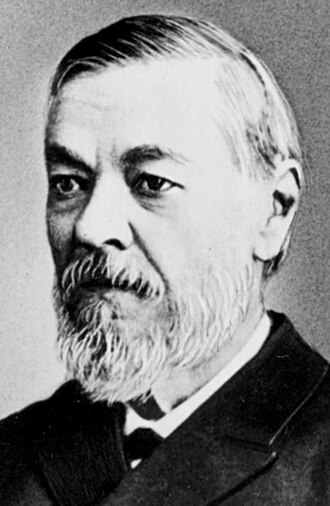
格物
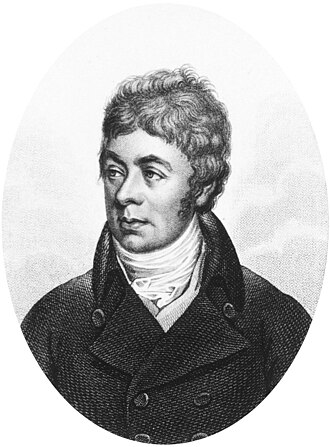
图:作者不详 · Public domain · Wikimedia Commons
腓特烈·卡尔·施密特1832—1908
Friedrich Schmidt
Baltic German geologist and botanist (1832–1908)
Carl Friedrich Schmidt was a Baltic German geologist and botanist in the Russian Empire. He is acknowledged as the founder of Estonian geology. In the mid-19th century, he researched Estonian oil shale, kukersite, and named it after Kuckers.
摘自英文维基百科「Carl Friedrich Schmidt (geologist)」(英文维基百科,暂无中文条目),CC BY-SA 4.0
- 出生
- 1832 年 1 月 15 日,Kaisma Rural Municipality
- 逝世
- 1908 年 11 月 8 日,圣彼得堡
- 国籍
- 俄罗斯帝国
- 学科
- 生物学、地球科学、博物与综合
- 职业
- 植物学家、古生物学家、地质学家
- 母语 / 工作语言
- 拉丁语、德语
- 母校
- Imperial University of Dorpat
- 工作单位
- Imperial University of Dorpat、彼得堡科学院
研究领域
师承
学生1
来自 Wikidata 的「博士导师」「师从」「博士生」「学生」记录,可能不全。
所获奖项(2)
- 1902沃拉斯顿奖章
- —honorary doctor of the University of Königsberg
学会与院士
百科正文
本条目暂无中文维基百科条目,下面是英文维基百科原文。
Main papers of Friedrich Schmidt research the stratigraphy and fauna of Lower Palaeozoic rocks in Estonia and the neighboring areas. In 1885 he became academician of St. Petersburg Academy of Sciences. He won the Wollaston Medal, awarded by the Geological Society of London, in 1902.
Friedrich Schmidt was the first European to "discover" the Sakhalin Fir on the Russian island of Sakhalin in 1866, but he did not introduce it to Europe. The Schmidt Peninsula (Sakhalin) was named after him.
以上内容摘自英文维基百科「Carl Friedrich Schmidt (geologist)」,按 CC BY-SA 4.0 使用,去掉了参考文献、外部链接等尾部小节,公式改写成了纯文本。全文、配图和出处见原文。
同一学科、同时代的科学家



同一学科的科学家
更多 ›