格物
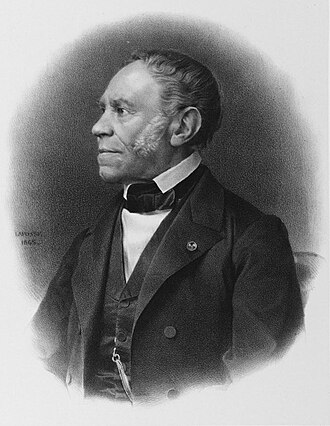
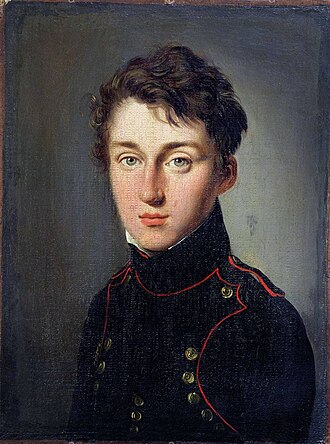
图:Jean Baptiste Adolphe Lafosse · Public domain · Wikimedia Commons
- 出生
- 1795 年 1 月 6 日,巴黎
- 逝世
- 1871 年 5 月 12 日,巴黎
- 国籍
- 法国
- 学科
- 物理学、化学、生物学、数学、博物与综合
- 职业
- 化学家、物理学家、生物化学家、数学家
- 母语 / 工作语言
- 法语
- 母校
- 巴黎综合理工学院
研究领域
主要贡献
代表成就
本站收录的发现与发明
所获奖项(1)
- 1863荣誉军团司令
学会与院士
百科正文
英文维基百科补充中文条目比较短,下面是英文条目「Anselme Payen」的原文
Anselme Payen (French: [pa.jɛ̃]; 6 January 1795 – 12 May 1871) was a French chemist known for discovering the enzyme diastase, and the carbohydrate cellulose.
Biography
Payen was born in Paris, the son of Jean-Baptiste Pierre Payen and Marie-Francoise Jeanson de Courtenay. He began studying science with his father, a graduate of the College de Navarre, when he was a 13-year-old, and later studied Chemistry at the École Polytechnique under the chemists Louis Nicolas Vauquelin and Michel Eugène Chevreul.
At the age of 23, Payen became manager of a borax-refining factory, where he developed a process for synthesizing borax from soda and boric acid. Previously, all borax had been imported from the East Indies exclusively by the Dutch. Payen's new method of synthesizing borax allowed him to sell the mineral at one third the going price, and break the Dutch monopoly.
Payen also developed processes for refining sugar, along with a way to refine starch and alcohol from potatoes, and a method for determination of nitrogen. Payen invented a decolorimeter, which dealt with the analysis, decolorization, bleaching, and crystallization of sugar.
Payen discovered the first enzyme, diastase, in 1833. He is also known for isolating and naming the carbohydrate cellulose.
In 1835, Payen became a professor at École Centrale Paris. He was later elected professor at the Conservatoire National des Arts et Métiers. He died in Paris on May 13, 1871.
Legacy
The rue Anselme Payen, near the Gare Montparnasse, Paris, is named after him.
The American Chemical Society's Cellulose and Renewable Materials Division has established an annual award in his honor, the Anselme Payen Award.
以上内容摘自英文维基百科「Anselme Payen」,按 CC BY-SA 4.0 使用,去掉了参考文献、外部链接等尾部小节,公式改写成了纯文本。全文、配图和出处见原文。
同一学科、同时代的科学家






同一学科的科学家
更多 ›