格物

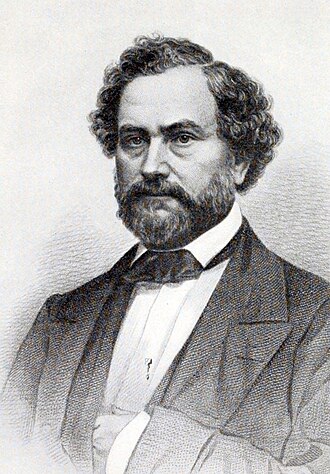
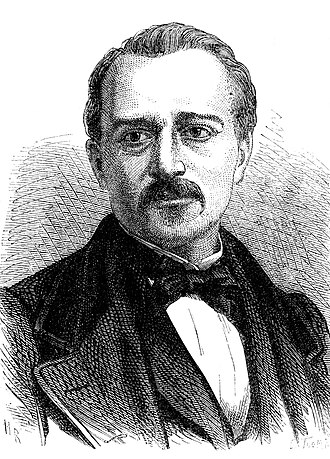
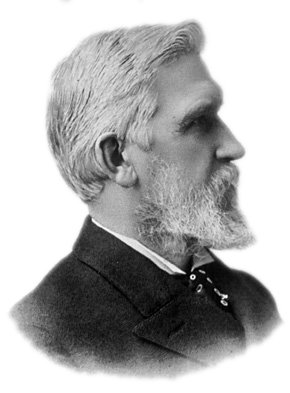
图:Cyrus_McCormick_engraving.jpg: George Smillie1 derivative wo… · Public domain · Wikimedia Commons
- 出生
- 1809 年 2 月 15 日,Raphine
- 逝世
- 1884 年 5 月 13 日,芝加哥
- 国籍
- 美国
- 学科
- 工程与发明
- 职业
- 发明家、新闻工作者、商人、反战人士
研究领域
所获奖项(2)
- 1976美国发明家名人堂
- —法国荣誉军团军官勋章
学会与院士
百科正文
纪念
- 麦考密克 (南卡罗来纳州)
- 麦科米克县 (南卡罗来纳州)
- 芝加哥麦考密克展览中心(McCormick Place)
以上内容摘自维基百科「塞卢斯·麦考密克」,按 CC BY-SA 4.0 使用,去掉了参考文献、外部链接等尾部小节,公式改写成了纯文本。全文、配图和出处见原文。
英文维基百科补充中文条目比较短,下面是英文条目「Cyrus McCormick」的原文
Cyrus Hall McCormick (February 15, 1809 – May 13, 1884) was an American inventor and businessman who founded the McCormick Harvesting Machine Company, which became part of the International Harvester Company in 1902. Originally from the Blue Ridge Mountains of Virginia, he and many members of the McCormick family became prominent residents of Chicago.
McCormick always claimed credit as the single inventor of the mechanical reaper. He was, however, one of several designing engineers who produced working models in the 1830s. His efforts built on more than two decades of work by his father Robert McCormick Jr., with the aid of Jo Anderson, an enslaved African-American man held by the family. He also successfully developed a company, with manufacturing, marketing, and a sales force to market his products.
Early life and career
Cyrus Hall McCormick was born on February 15, 1809, in Raphine, Virginia. He was the eldest of eight children born to inventor Robert McCormick Jr. and Mary Ann "Polly" Hall. As Cyrus's father saw the potential of the design for a mechanical reaper, he applied for a patent to claim it as his own invention. He worked for 28 years on a horse-drawn mechanical reaper to harvest grain, but was never able to produce a reliable version.
Move to Chicago
In 1847, after their father's death, Cyrus and his brother Leander J. McCormick (1819–1900) moved to Chicago, where they established a factory to build their machines. At the time, other cities in the midwestern United States, such as Cleveland, Ohio; St. Louis, Missouri; and Milwaukee, Wisconsin were more established. Chicago had the best water transportation from the east over the Great Lakes for his raw materials, as well as railroad connections to the west where most of his customers would be.
Legal controversies and success
Another McCormick Company competitor was John Henry Manny of Rockford, Illinois. After the Manny Reaper beat the McCormick version at the Paris Exposition of 1855, McCormick filed a lawsuit against Manny for patent infringement. McCormick demanded that Manny stop producing reapers, and pay McCormick $400,000. The trial, originally scheduled for Chicago in September 1855, featured prominent lawyers on both sides. McCormick hired the former U.S.
Family relationships
On January 26, 1858, 49-year-old Cyrus McCormick married Nancy "Nettie" Fowler. She was an orphan from New York who had graduated from the Troy Female Seminary and moved to Chicago. They had met six months earlier and shared views about business, religion and Democratic party politics. They had seven children:
Cyrus Hall McCormick Jr. was born May 16, 1859.
Mary Virginia McCormick was born May 5, 1861.
Robert McCormick III was born October 5, 1863, and died January 6, 1865.
Activism
McCormick had always been a devout Presbyterian, as well as advocate of Christian unity. He also valued and demonstrated in his life the Calvinist traits of self-denial, sobriety, thriftiness, efficiency, and morality. He believed feeding the world, made easier by the reaper, was part of his religious mission in life.
A lifelong Democrat, before the American Civil War, McCormick had published editorials in his newspapers, The Chicago Times and Herald, calling for reconciliation between the national sections.
Later life and death
During the last four years of his life, McCormick became an invalid, after a stroke paralyzed his legs; he was unable to walk during his final two years. He died at home in Chicago on May 13, 1884. He was buried in Graceland Cemetery.
Legacy and honors
Numerous prizes and medals were awarded McCormick for his reaper, which reduced human labor on farms while increasing productivity. Thus, it contributed to the industrialization of agriculture as well as migration of labor to cities in numerous wheat-growing countries (36 by McCormick's death).
以上节选摘自英文维基百科「Cyrus McCormick」,按 CC BY-SA 4.0 使用,去掉了参考文献、外部链接等尾部小节,公式改写成了纯文本。篇幅所限,较长的小节只摘了开头一部分,有的小节没有收;全文、配图和出处见原文。