格物

图:Sanjay Acharya · CC BY-SA 3.0 · Wikimedia Commons
- 学名
- Nematocera
- 分类等级
- 亚目
- 上级类群
- 双翅目
- 大类
- 昆虫
- 命名
- 安德烈·马里·康斯坦·迪梅里,1805 年
- 数据库
- NCBI 分类 · GBIF
下级类群(6)
- Culicomorpha 下纲
- 极蚊科 Axymyiidae 科
- 大蚊下目 Tipulomorpha 下纲
- Psychodomorpha 下纲
- Blephariceromorpha 下纲
- Ptychopteromorpha 下纲
百科正文
长角亚目特征通常是丝状,多节段触角。
以上内容摘自维基百科「長角亞目」,按 CC BY-SA 4.0 使用,去掉了参考文献、外部链接等尾部小节,公式改写成了纯文本。全文、配图和出处见原文。
英文维基百科补充中文条目比较短,下面是英文条目「Nematocera」的原文
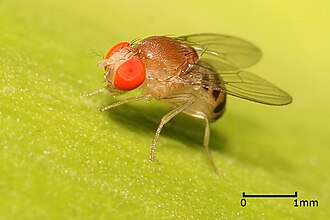
The Nematocera (nemato+cera meaning "thread-horns") are a suborder of elongated flies with thin, segmented antennae and mostly aquatic larvae. This group is paraphyletic, containing all flies except for those of the suborder Brachycera (the name meaning "short-horns"), which includes species such as the housefly or the common fruit fly. Thus, the equivalent clade to Nematocera would be the whole of Diptera, with Brachycera as a "subclade". Families in Nematocera include mosquitoes, crane flies, gnats, black flies, and multiple families commonly known as midges.
The nematoceran imago typically have elongated bodies and legs, and many species have relatively long abdomens. They also have fairly long, fine, finely-jointed antennae; in many species, such as most mosquitoes, the female antennae are more or less threadlike, but the males have spectacularly feather-like or plumose antennae.
The larvae of most nematoceran families are aquatic, either free-swimming, rock-dwelling, plant-dwelling, or luticolous (mud-dwelling). Some families however, are not aquatic; for instance the Tipulidae tend to be soil-dwelling and the Mycetophilidae feed on fungi such as mushrooms. Unlike most of the Brachycera, the larvae of Nematocera have distinct heads with mouthparts that may be modified for filter feeding or chewing, depending on their lifestyles. The pupae are orthorrhaphous which means that adults emerge from the pupa through a straight, longitudinal seam in the dorsal surface of the pupal cuticle.
Males of many species form mating swarms resembling faint pillars of smoke, competing for females that visit the cloud of males to find a mate.
Phylogeny
A 2023 study revised the phylogeny of the Nematocera. The grouping remains paraphyletic with respect to the Brachycera, but is rearranged, with Deuterophlebiidae basal (sister to the rest), Nymphomyiidae placed inside Culicomorpha, and Blephariceridae within Psychodomorpha. Finally, Anisopodidae becomes sister to the Brachycera.
以上内容摘自英文维基百科「Nematocera」,按 CC BY-SA 4.0 使用,去掉了参考文献、外部链接等尾部小节,公式改写成了纯文本。全文、配图和出处见原文。