格物
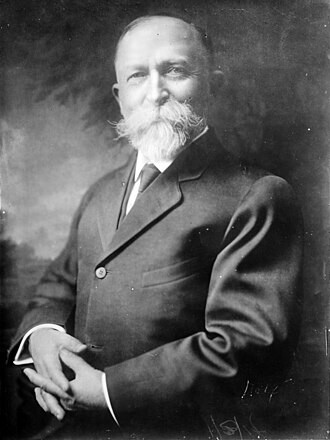
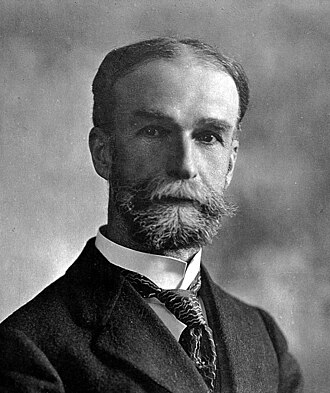
图:Bain News Service · Public domain · Wikimedia Commons
约翰·哈维·家乐1852—1943
American physician (1852–1943)
John Harvey Kellogg was an American businessman, inventor, physician, and advocate of the health reforms advocated by the Battle Creek Progressive Friends movement and the eugenics policies espoused by many in the Progressive Movement. He was the director of the Battle Creek Sanitarium in Battle Creek, Michigan, founded by members of the Seventh-day Adventist Church. It combined aspects of a European spa, a hydrotherapy institution, a hospital, and a high-class hotel. Kellogg treated the rich and famous, as well as the poor who could not afford other hospitals. According to Encyclopædia Britannica, he "developed numerous nut and vegetable products to vary the diet of the patients, including a flaked-wheat cereal called Granose and cornflakes. Although cornflakes were not new, they had never before been presented as a breakfast food [...] Kellogg was [also] a cofounder of the Race Betterment Foundation, an organization that promoted eugenics and racial segregation."
摘自英文维基百科「John Harvey Kellogg」(英文维基百科,暂无中文条目),CC BY-SA 4.0
- 出生
- 1852 年 2 月 26 日,蒂龙镇区 (密歇根州利文斯顿县)
- 逝世
- 1943 年 12 月 14 日,巴特尔克里克
- 国籍
- 美国
- 学科
- 医学、工程与发明
- 职业
- 医生、营养学家、商人、发明家
- 母语 / 工作语言
- 英语
- 母校
- 纽约大学、贝尔维尤医院、纽约大学医学院、东密歇根大学
研究领域
所获奖项(1)
- 2006美国发明家名人堂
学会与院士
百科正文
本条目暂无中文维基百科条目,下面是英文维基百科原文。
An early proponent of the germ theory of disease, Kellogg was well ahead of his time in relating intestinal flora and the presence of bacteria in the intestines to health and disease. The sanitarium approached treatment in a holistic manner, actively promoting vegetarianism, nutrition, the use of yogurt enemas to clear "intestinal flora", exercise, sun-bathing, and hydrotherapy, as well as abstinence from smoking tobacco, drinking alcoholic beverages, and sexual activity. Kellogg dedicated the last 30 years of his life to promoting eugenics and racial segregation. Kellogg was a major leader in progressive health reform, particularly in the second phase of the clean living movement. He wrote extensively on science and health. His approach to "biologic living" combined scientific knowledge with Adventist beliefs and the promotion of health reform and temperance. Many of the vegetarian foods that Kellogg developed and offered his patients were publicly marketed: Kellogg's brother, Will Keith Kellogg, is best known today for the invention of the breakfast cereal corn flakes.
Kellogg held liberal Christian theological beliefs radically different from mainstream Nicene Christianity and emphasized what he saw as the importance of human reason over many aspects of traditional doctrinal authority. He strongly rejected fundamentalist and conservative notions of original sin, human depravity, and the atonement of Jesus, viewing the last in terms of "his exemplary life" on Earth rather than death. Kellogg was a Seventh-day Adventist (SDA) as the group's beliefs shifted towards Trinitarianism during the 1890s, and Adventists were "unable to accommodate the essentially liberal understanding of Christianity" exhibited by Kellogg, viewing his theology as pantheistic and unorthodox. His disagreements with other members of the SDA Church led to a major schism: he was disfellowshipped in 1907, but continued to adhere to many of the church's beliefs and directed the sanitarium until his death. Kellogg helped to establish the American Medical Missionary College in 1895. Popular misconceptions have wrongly attributed various cultural practices, inventions, and historical events to Kellogg.
Death
Kellogg died on December 14, 1943, in Battle Creek, Michigan. He was buried in Oak Hill Cemetery in Battle Creek. In his will, Kellogg left his entire estate to the Race Betterment Foundation.
以上节选摘自英文维基百科「John Harvey Kellogg」,按 CC BY-SA 4.0 使用,去掉了参考文献、外部链接等尾部小节,公式改写成了纯文本。篇幅所限,较长的小节只摘了开头一部分,有的小节没有收;全文、配图和出处见原文。