 格物
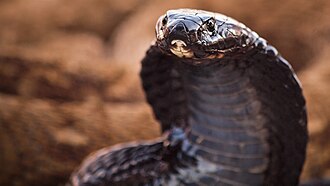
图:Luca Boldrini · CC BY 2.0 · Wikimedia Commons
生命之树 › 真核生物 › 动物界 › 真后生动物亚界 › 两侧对称动物 › 后口动物总门 › 脊索动物门 › 脊椎动物亚门 › 有颌下门 › 肉鳍鱼总纲 › 四足形类 › 希望螈目 › 四足总纲 › 爬行动物 › 鳞龙形下纲 › 鳞龙超目 › 有鳞目 › 眼镜蛇科 › 眼镜蛇属
黑颈眼镜蛇种
Naja nigricollis
黑颈眼镜蛇 是眼镜蛇属的一种射毒眼镜蛇,分布于撒哈拉以南非洲。体长在1.2至2.2米(3.9至7.2英尺)之间,以小型啮齿动物为食。被咬者在未经治疗的情况下有5–10%的死亡率。斑马射毒眼镜蛇 和黑射毒眼镜蛇 原来是它的亚种,但现在已经是独立的种。
摘自维基百科「黑頸眼鏡蛇」,CC BY-SA 4.0
- 学名
- Naja nigricollis
- 分类等级
- 种
- 上级类群
- 眼镜蛇属
- 大类
- 爬行动物
- 命名
- 爱德华·哈洛韦尔(爬虫学家),1857 年
- 保护状况(IUCN)
- 无危物种
- 数据库
- NCBI 分类 · GBIF · IUCN 红色名录
百科正文
毒液
它的毒液在眼镜蛇中是比较特别的——主要由细胞毒素而非神经毒素构成。被咬伤处会出现大出血和组织坏死,并会感到呼吸苦难。被咬者在未经治疗的情况下有5–10%的死亡率,死亡原因一般是隔膜麻痹导致的窒息。其半数致死剂量为2 mg/kg SC,或1.15 mg/kg IV。它一次咬伤可以注入200至350 mg的毒液。
以上内容摘自维基百科「黑頸眼鏡蛇」,按 CC BY-SA 4.0 使用,去掉了参考文献、外部链接等尾部小节,公式改写成了纯文本。全文、配图和出处见原文。
英文维基百科补充中文条目比较短,下面是英文条目「Black-necked spitting cobra」的原文
The black-necked spitting cobra (Naja nigricollis) is a species of spitting cobra found mostly in sub-Saharan Africa. They are moderately sized snakes that can grow to a length of 1.2 to 2.2 m (3.9 to 7.2 ft) in length. Their coloration and markings can vary considerably. They prey primarily on small rodents. They possess medically significant venom, although the mortality rate for untreated bites on humans is relatively low (~ 5–10%, in endemic regions under 1%). Like other spitting cobras, they can eject venom from their fangs when threatened (one drop over 7 metres (23 ft) and more in perfect accuracy). The cytotoxic venom irritates the skin, causing blisters and inflammation, and can cause permanent blindness if the venom makes contact with the eyes and is not washed off.
Naja nigricollis belongs to the cobra genus Naja under the family Elapidae. It previously included two subspecies that have been moved to the species Naja nigricincta – the zebra spitting cobra (Naja nigricincta nigricincta) and the black spitting cobra (Naja nigricincta woodi).
Taxonomy
Naja nigricollis is classified under the genus Naja of the family Elapidae. It was first described by Norwegian zoologist Johan Reinhardt in 1843. The generic name Naja is a Latinisation of the Sanskrit word nāgá (नाग), meaning "cobra". The specific epithet nigricollis is Latin for "black-necked": niger, meaning "black", and collis, meaning "neck".
Naja nigricollis previously included two subspecies – Naja nigricollis nigricincta and Naja nigricollis woodi.
Description
N. nigricollis is a moderately sized, venomous snake with a moderately distinct head; the shape of the head is due primarily to two large venom glands found on each side of the head. Its colour can vary depending on region of origin. Some specimens are black or pale grey with a yellow or reddish ventral side with a broad, black neck band, often with an orange or pinkish bar on the neck.
Distribution and habitat
The species is very common and is widespread through much of sub-Saharan Africa and is found in western, eastern, central, and parts of southern Africa. It is absent from the rainforests of the Congo Basin.
Behavior
Unlike other snakes, Naja nigricollis can be either nocturnal or diurnal depending on the time of year, geographic location, and average daytime temperature. This adaptability allows the snake to better regulate its body temperature and to gain access to the most abundant food sources of a particular area. It feeds primarily on small rodents, such as small rats and mice, birds, and fishes, but will also eat lizards, eggs, and other snakes.
Reproduction
Like other cobra species, this snake is oviparous. The mating season of this species can vary from the end of winter (September) to the beginning of summer (December). Usually, the mating season is the same whether in captivity or in the wild. Females will commonly lay 10 to 15 eggs but can lay anywhere between eight and 22 eggs at a time.
Venom
The venom of Naja nigricollis is somewhat unusual among elapids in that it consists primarily of cytotoxins, but with other components also. It retains the typical elapid neurotoxic properties while combining these with highly potent cytotoxins (necrotic agents) and cardiotoxins. Bite symptoms include severe external hemorrhaging and tissue necrosis around the bite area and difficulty breathing.
Snake venom ophthalmia
In 1944, English ophthalmic surgeon Major Harold Ridley, published a short paper in the British Journal of Ophthalmology on spitting snakes and an account of the composition and action of snake venom in general. From his experiences in wartime Ghana, Ridley described snake venom ophthalmia in a 30-year-old labourer, who was cutting grass when a Black-necked cobra spat venom toward the man's right eye from a four- or five-feet distance.
以上节选摘自英文维基百科「Black-necked spitting cobra」,按 CC BY-SA 4.0 使用,去掉了参考文献、外部链接等尾部小节,公式改写成了纯文本。篇幅所限,较长的小节只摘了开头一部分,有的小节没有收;全文、配图和出处见原文。