 格物
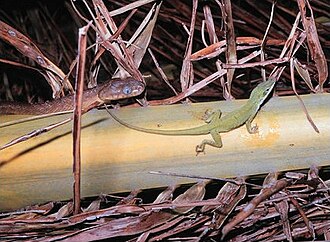
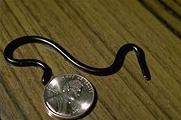
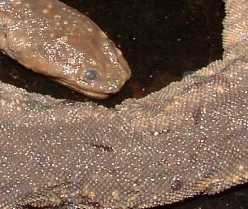
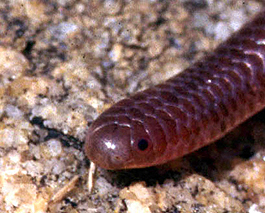
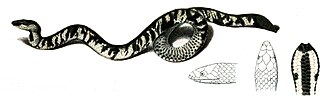
图:Thomas H. Fritts and Dawn Leasman-Tanner/U.S. Geological Sur… · Public domain · Wikimedia Commons
- 学名
- Squamata
- 分类等级
- 目
- 上级类群
- 鳞龙超目
- 大类
- 爬行动物
- 命名
- Nicolaus Michael Oppel,1811 年
- 数据库
- NCBI 分类 · GBIF
下级类群(58)
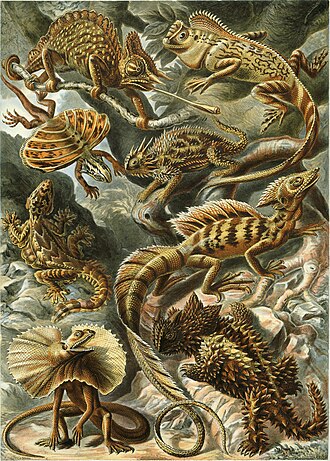

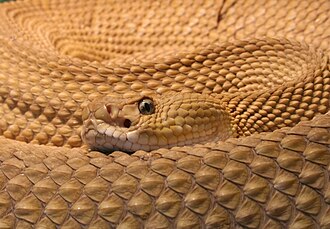
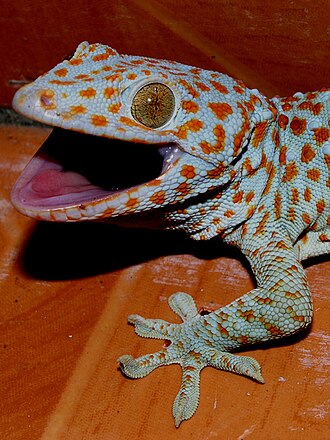
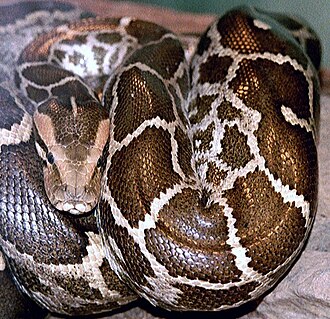
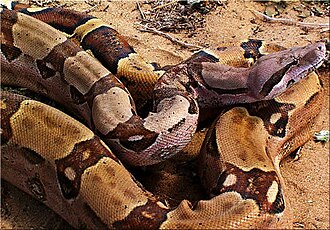

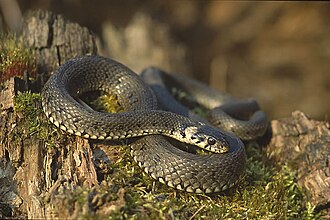
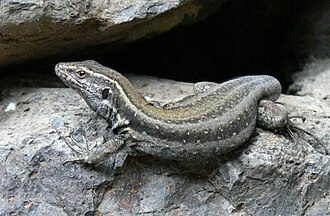
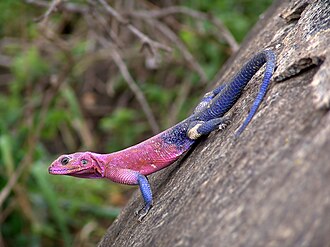
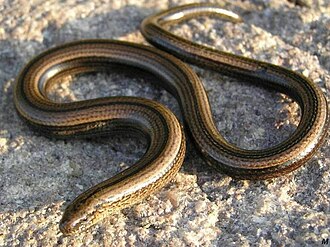
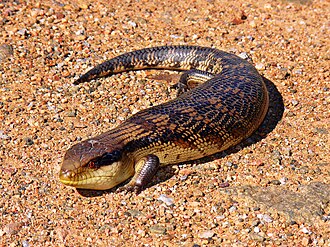

- 蜥蜴 Lacertilia 亚目
- 避役科 Chamaeleonidae 科
- 蝰蛇科 Viperidae 科
- 壁虎科 Gekkonidae 科
- 蟒科 Pythonidae 科
- 蚺科 Boidae 科
- 眼镜蛇科 Elapidae 科
- 游蛇科 Colubridae 科
- 蜥蜴科 Lacertidae 科
- 鬣蜥科 Agamidae 科
- 蛇蜥科 Anguidae 科
- 石龙子科 Scincidae 科
- 美洲鬣蜥科 Iguanidae 科
- 巨蜥科 Varanidae 科
- 盲蛇科 Typhlopidae 科
- 瘰鳞蛇科 Acrochordidae 科
- 细盲蛇科 Leptotyphlopidae 科
- 盾尾蛇科 Uropeltidae 科
- 美洲蜥蜴科 Teiidae 科
- 环尾蜥科 Cordylidae 科
- 鳞脚蜥科 Pygopodidae 科
- 沧龙科 Mosasauridae 科
- 蚓蜥科 Amphisbaenidae 科
- 角蜥科 Phrynosomatidae 科
- 双足蜥科 Dibamidae 科
- 海帆蜥科 Corytophanidae 科
- 板蜥科 Gerrhosauridae 科
- 领豹蜥科 Crotaphytidae 科
- 夜蜥科 Xantusiidae 科
- 栉尾蜥科 Hoplocercidae 科
- 嵴尾蜥科 Tropiduridae 科
- 林蚺科 Tropidophiidae 科
- 盾尾蜥科 Opluridae 科
- 澳洲蜥虎科 Diplodactylidae 科
- 四鳞爪蜥科 Polychrotidae 科
- 裸眼蜥科 Gymnophthalmidae 科
- 水蛇科 Homalopsidae 科
- 异盾盲蛇科 Anomalepididae 科
- 叶趾虎科 Phyllodactylidae 科
- 非洲蛇科 Lamprophiidae 科
- 穴蝰科 Atractaspididae 科
- 岛蚺科 Bolyeriidae 科
- 睑虎科 Eublepharidae 科
- 球趾虎科 Sphaerodactylidae 科
- 藁趾虎科 Carphodactylidae 科
- 钝头蛇科 Pareidae 科
- 短头蚓蜥科 Trogonophiidae 科
- 异蜥科 Xenosauridae 科
- 平咽蜥科 Liolaemidae 科
- 闪皮蛇科 Xenodermidae 科
- 安乐蜥科 Dactyloidae 科
- 平鳞蜥科 Leiosauridae 科
- 闪鳞蛇科 Xenopeltidae 科
- 倭管蛇科 Anomochilidae 科
- 毒蜥科 Helodermatidae 科
- 蠕蜥科 Anniellidae 科
- 水游蛇科 Natricidae 科
- 眼齿鸟属 Oculudentavis 属
百科正文
分类
- 传统上,有鳞目分为三个亚目:
- 蜥蜴亚目 Lacertilia
- 鬣蜥下目 Iguania
- 壁虎下目 Gekkota
- 石龙子下目 Scincomorpha
- 复舌下目 Diploglossa(又译蛇蜥下目)
- 厚背下目 Platynota(又译巨蜥下目)
- 蛇亚目 Serpentes
- 真蛇下目 Alethinophidia
- 盲蛇下目 Scolecophidia
- 蚓蜥亚目 Amphisbaenia
由于蛇与蚓蜥是从蜥蜴演化而来,蜥蜴被视为是并系群。在较新的分类法中,有鳞目被分为以下亚目,但彼此的演化关系尚未定论:
- 双足蜥亚目 Dibamia
- 双足蜥科 Dibamidae
- 双叉类 Bifurcata
- 壁虎亚目 Gekkota
- 正蜥亚目 Laterata(欧洲常见的蜥蜴)
- 石龙子亚目 Scincomorpha(石龙子、鞭尾蜥)
- 有毒类 Toxicofera
鬣蜥亚目 Iguania(鬣蜥类 Iguanomorpha)(鬣蜥、变色龙、飞蜥)
- 蛇蜥亚目 Anguimorpha(巨蜥、希拉毒蜥、蛇蜥、鳄蜥)
- 蛇亚目 Serpentes
- 真蛇下目 Alethinophidia(蝰蛇、蚺、眼镜蛇)
- 盲蛇下目 Scolecophidia
以上内容摘自维基百科「有鱗目」,按 CC BY-SA 4.0 使用,去掉了参考文献、外部链接等尾部小节,公式改写成了纯文本。全文、配图和出处见原文。
英文维基百科补充中文条目比较短,下面是英文条目「Squamata」的原文
Squamata (, Latin squamatus, 'scaly, having scales') is the largest order of reptiles; most members are commonly known as lizards, with the group also including snakes. With over 11,991 species, it is also the second-largest order of extant (living) vertebrates, after the perciform fish. Squamates are distinguished by their skins, which bear horny scales or shields, and periodically undergo molting. They also possess movable quadrate bones, making possible movement of the upper jaw relative to the neurocranium. This is particularly visible in snakes, which are able to open their mouths very widely to accommodate comparatively large prey. Squamates are the most variably sized living reptiles, ranging from the 16 mm (0.63 in) dwarf gecko (Sphaerodactylus ariasae) to the 6.5 m (21 ft) reticulated python (Malayopython reticulatus). The extinct mosasaurs reached lengths over 14 m (46 ft).
Among other reptiles, squamates are most closely related to the tuatara, the last surviving member of the once diverse Rhynchocephalia, with both groups being placed in the superorder Lepidosauria.
Evolution
Squamates are a monophyletic sister group to the rhynchocephalians, members of the order Rhynchocephalia. The only surviving member of the Rhynchocephalia is the tuatara. Squamata and Rhynchocephalia form the superorder Lepidosauria, which is the sister group to the Archosauria, the clade that contains crocodiles and birds, and their extinct relatives. Fossils of rhynchocephalians first appear in the Early Triassic, meaning that the lineage leading to squamates must have also existed at the time.
Reproduction
The male members of the group Squamata have hemipenes, which are usually held inverted within their bodies, and are everted for reproduction via erectile tissue like that in the mammalian penis. Only one is used at a time, and some evidence indicates that males alternate use between copulations. The hemipenis has a variety of shapes, depending on the species. Often it bears spines or hooks, to anchor the male within the female. Some species even have forked hemipenes (each hemipenis has two tips).
Evolution of venom
Recent research suggests that the evolutionary origin of venom may exist deep in the squamate phylogeny, with 60% of squamates placed in this hypothetical group called Toxicofera. Venom has been known in the clades Caenophidia, Anguimorpha, and Iguania, and has been shown to have evolved a single time along these lineages before the three groups diverged, because all lineages share nine common toxins. The fossil record shows the divergence between anguimorphs, iguanians, and advanced snakes dates back roughly 200 million years ago (Mya) to the Late Triassic/Early Jurassic, but the only good fossil evidence is from the Middle Jurassic.
Humans and squamates
Bites and fatalities
An estimated 125,000 people a year die from venomous snake bites. In the US alone, more than 8,000 venomous snake bites are reported each year, but only one in 50 million people (five or six fatalities per year in the USA) will die from venomous snake bites.
Lizard bites, unlike venomous snake bites, are usually not fatal. The Komodo dragon has been known to kill people due to its size, and recent studies show it may have a passive envenomation system. Recent studies also show that the close relatives of the Komodo, the monitor lizards, all have a similar envenomation system, but the toxicity of the bites is relatively low to humans.
Classification and phylogeny
- Historically, the order Squamata has been divided into three suborders:
- Lacertilia, the lizards, including skinks, iguanas and anguimorphs
- Serpentes, the snakes (see also Ophidia)
- Amphisbaenia, the worm lizards
Of these, the lizards form a paraphyletic group, since the "lizards" are found in several distinct lineages, with snakes and amphisbaenians recovered as monophyletic groups nested within. Although studies of squamate relationships using molecular biology have found different relationships between some squamata lineages, all recent molecular studies suggest that the venomous groups are united in a venom clade.
List of extant families
The over 10,900 extant squamates are divided into 68 families.
以上节选摘自英文维基百科「Squamata」,按 CC BY-SA 4.0 使用,去掉了参考文献、外部链接等尾部小节,公式改写成了纯文本。篇幅所限,较长的小节只摘了开头一部分,有的小节没有收;全文、配图和出处见原文。