格物
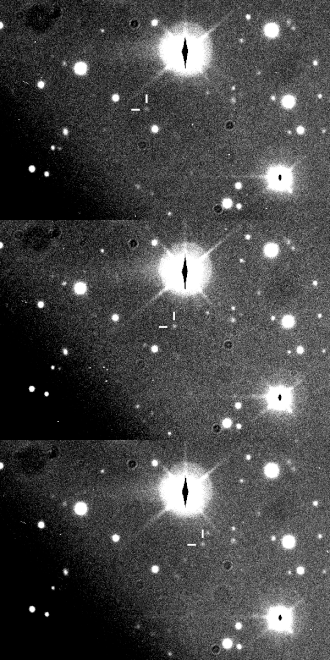
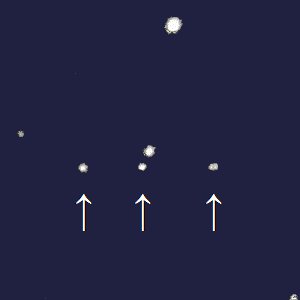
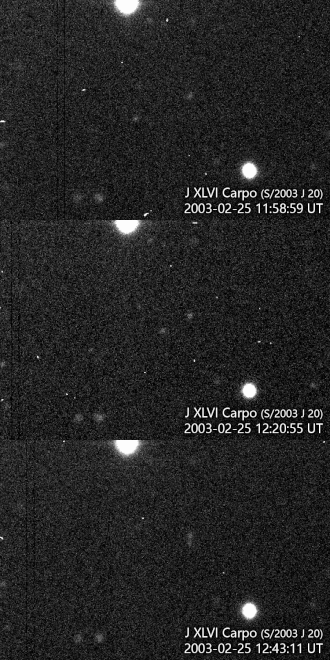
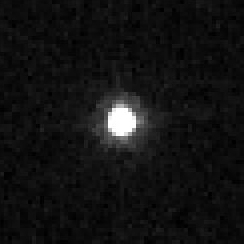
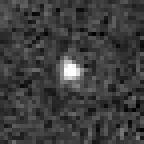
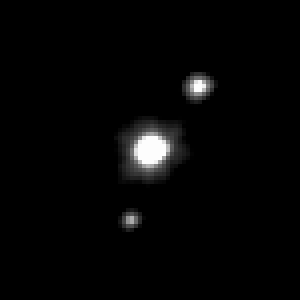
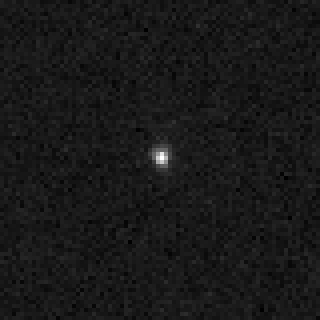
图:David Jewitt/Scott Sheppard/Canadian Astronomy Data Centre · CC BY-SA 4.0 · Wikimedia Commons
- 发现 / 发明时间
- 2001 年
- 发现者 / 提出者
- 斯科特·谢泼德、大卫·朱维特、Jan Kleyna
- 命名来源
- 欧波里亚
- 学科
- 天文学
相关科学家

百科正文
其直径约为两公里,轨道平均半径为19,088 Mm,轨道周期为538.780地球日,与黄道间的轨道倾角为145°,运转方向为逆行,离心率为0.0960。
它于2003年正式以希腊女神欧波里亚(Euporie)命名,她是丰饶女神,同时是希腊神话中荷赖的一员(因此是宙斯的女儿)。
它是阿南刻群中的成员。
以上内容摘自维基百科「木卫三十四」,按 CC BY-SA 4.0 使用,去掉了参考文献、外部链接等尾部小节,公式改写成了纯文本。全文、配图和出处见原文。
英文维基百科补充中文条目比较短,下面是英文条目「Euporie (moon)」的原文
Euporie, also known as Jupiter XXXIV, is a natural satellite of Jupiter. It was discovered by a team of astronomers from the University of Hawaiʻi led by Scott S. Sheppard in 2001, and given the temporary designation S/2001 J 10.
Euporie is about 2 kilometres in diameter, and orbits Jupiter at an average distance of 19.266 million km in 550.69 days, at an inclination of 145.7° to the ecliptic, in a retrograde direction and with an eccentricity of 0.148. It is affected by the Kozai mechanism.
It was named in August 2003 after Euporie, a Greek goddess of abundance and one of the Horae in Greek mythology (and thus a daughter of Zeus). It is a member of the Ananke group.
以上内容摘自英文维基百科「Euporie (moon)」,按 CC BY-SA 4.0 使用,去掉了参考文献、外部链接等尾部小节,公式改写成了纯文本。全文、配图和出处见原文。