格物
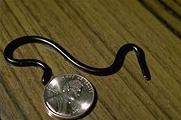
图:Public domain · Wikimedia Commons
生命之树 › 真核生物 › 动物界 › 真后生动物亚界 › 两侧对称动物 › 后口动物总门 › 脊索动物门 › 脊椎动物亚门 › 有颌下门 › 肉鳍鱼总纲 › 四足形类 › 希望螈目 › 四足总纲 › 爬行动物 › 鳞龙形下纲 › 鳞龙超目 › 有鳞目
盲蛇科科
Typhlopidae
盲蛇科是蛇亚目下包含所有盲蛇的科,科内的蛇类主要分布于非洲、亚洲及美洲的热带地区。由于盲蛇主要生活于地下,所以它们的嘴部鳞片相当突出,呈铁铲状,便于穿梭地底。盲蛇的眼睛被鳞片覆盖着,只有上颚有牙齿,尾巴末端有一块角状的鳞片。大部分盲蛇都是卵生的,目前有6个属共204个物种已被确认。
摘自维基百科「盲蛇科」,CC BY-SA 4.0
- 学名
- Typhlopidae
- 分类等级
- 科
- 上级类群
- 有鳞目
- 大类
- 爬行动物
- 命名
- 布拉修斯·梅雷姆,1820 年
- 数据库
- NCBI 分类 · GBIF
下级类群(5)
- 盲蛇属 Typhlops 属
- 钩盲蛇属 Ramphotyphlops 属
- 尖鼻盲蛇属 Rhinotyphlops 属
- 尖盲蛇属 Acutotyphlops 属
- Asiatyphlopinae 亚科
百科正文
地理分布
盲蛇主要生活于热带及亚热带地区,分布覆盖全球,尤其在非洲、马达加斯加、亚洲、太平洋群岛、美洲及欧洲东南部。
以上内容摘自维基百科「盲蛇科」,按 CC BY-SA 4.0 使用,去掉了参考文献、外部链接等尾部小节,公式改写成了纯文本。全文、配图和出处见原文。
英文维基百科补充中文条目比较短,下面是英文条目「Typhlopidae」的原文
The Typhlopidae are a family of blind snakes. They are found mostly in the tropical regions of Africa, Asia, the Americas, and all mainland Australia and various islands. The rostral scale overhangs the mouth to form a shovel-like burrowing structure. They live underground in burrows, and since they have no use for vision, their eyes are mostly vestigial. They have light-detecting black eye spots, and teeth occur in the upper jaw. Typhlopids do not have dislocatable lower jaw articulations, restricting them to prey smaller than their oral aperture. All species in the family Typhlopidae are fossorial and feed on social fossorial invertebrates such as termites and ants. The tracheal lung is present and chambered in all species. One species, the Brahminy blind snake, is the only unisexual snake, with the entire population being female and reproducing via parthenogenesis. The tail ends with a horn-like scale. Most of these species are oviparous. Currently, 18 genera are recognized containing over 200 species.
Evolution
The Typhlopidae are thought to have originated on Madagascar during the Late Cretaceous, along with their sister group, the Xenotyphlopidae. The common ancestor of both families is thought to have diverged from the Gerrhopilidae earlier in the Cretaceous, when Insular India broke away from Madagascar. Afterwards, the Typhlopidae are thought to have dispersed out of Madagascar (leaving behind a single basal genus, Madatyphlops) into mainland Africa and then Eurasia, in contrast to the Xenotyphlopidae which remained restricted to Madagascar. From these regions, the Typhlopidae went on to colonize the rest of the world, with African typhlopids rafting across the Atlantic to South America during the Paleocene, then colonizing the Caribbean during the Oligocene, while Asian typhlopids colonized Australia from Southeast Asia or Indonesia later in the Oligocene.
Fossil record
Possible Typhlopid skin has been identified in Dominican amber.
Geographic range
They are found in most tropical and many subtropical regions all over the world, particularly in Africa, Asia, islands in the Pacific, tropical America, and southeastern Europe.
Genera
TType genus
Former genera
Xenotyphlops, formerly classified in the Typhlopidae, is now classed in the Xenotyphlopidae.
以上内容摘自英文维基百科「Typhlopidae」,按 CC BY-SA 4.0 使用,去掉了参考文献、外部链接等尾部小节,公式改写成了纯文本。全文、配图和出处见原文。