 格物

图:https://commons.wikimedia.org/wiki/User:Durova · CC BY-SA 4.0 · Wikimedia Commons
生命之树 › 真核生物 › 动物界 › 真后生动物亚界 › 两侧对称动物 › 后口动物总门 › 脊索动物门 › 脊椎动物亚门 › 有颌下门 › 肉鳍鱼总纲 › 四足形类 › 希望螈目 › 四足总纲 › 哺乳动物 › 兽型类 › 全兽类 › 兽亚纲 › 有胎盘类 › 北方真兽高目 › 灵长总目 › 灵长目 › 简鼻亚目 › 类人猿下目 › 狭鼻小目 › 人猿总科 › 人科 › 人亚科 › 人族 › 南猿亚族
南方古猿属属
Australopithecus
南方古猿属 是一些已灭绝的灵长目物种的统称,该些物种与现代人类密切相关。人们从在非洲东部、中北部和南部的许多地点发现的一系列化石中得知,南方古猿的各个物种生活在440万至140万年前,即上新世和更新世时期(持续时间为530万至11,700年前)。
摘自维基百科「南方古猿」,CC BY-SA 4.0
- 学名
- Australopithecus
- 分类等级
- 属
- 上级类群
- 南猿亚族
- 大类
- 哺乳动物
- 命名
- 雷蒙德·达特,1925 年
- 异名
- 傍人属、Paraustralopithecus、Plesianthropus、Zinjanthropus
- 身高 / 株高
- 1.4 米
- 数据库
- GBIF
下级类群(7)


百科正文
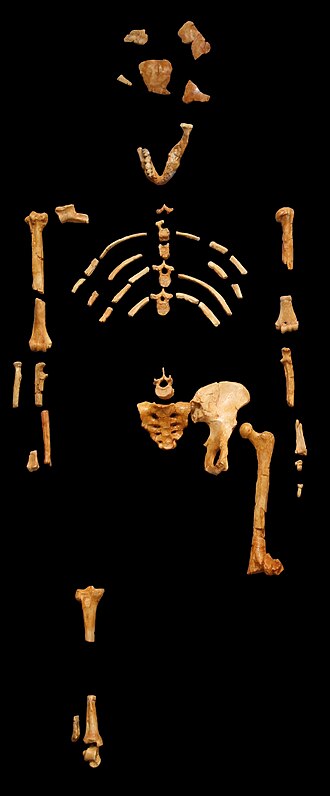
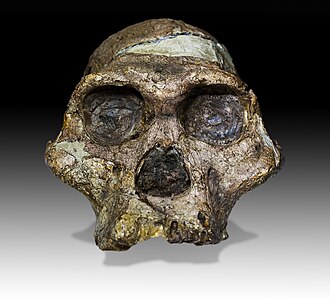
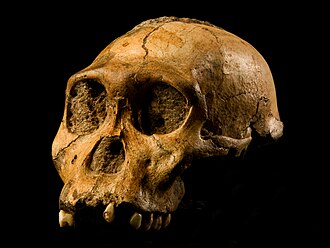
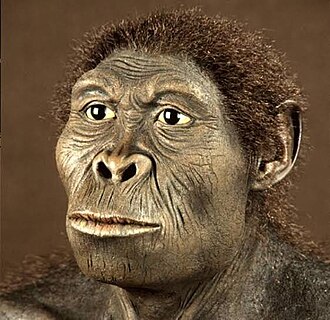
该属最初被发现的化石是“露西”。根据化石证据,南方古猿的成员兼具人类和猿类的特征。它们与现代人类相似,都是双足行走(即用两条腿行走),但像猿猴一样,它们的大脑很小。它们的犬齿比猿类的小,而颊齿比现代人类的大。
以上内容摘自维基百科「南方古猿」,按 CC BY-SA 4.0 使用,去掉了参考文献、外部链接等尾部小节,公式改写成了纯文本。全文、配图和出处见原文。
英文维基百科补充中文条目比较短,下面是英文条目「Australopithecus」的原文
Australopithecus (, OS-trə-lə-PITH-i-kəs, -loh-; or, os-TRA-lə-pi-THEE-kəs, from Latin australis 'southern' and Ancient Greek πίθηκος (píthēkos) 'ape') is an extinct genus of early hominins that existed in Africa during the Pliocene and Early Pleistocene. The genera Homo (which includes modern humans), Paranthropus, and Kenyanthropus evolved from some Australopithecus species. Australopithecus is a member of the subtribe Australopithecina, which sometimes also includes Ardipithecus, though the term "australopithecine" is sometimes used to refer only to members of Australopithecus. Species include A. garhi, A. africanus, A. sediba, A. afarensis, A. anamensis, A. bahrelghazali, and A. deyiremeda. Debate exists as to whether some Australopithecus species should be reclassified into new genera, or if Paranthropus and Kenyanthropus are synonymous with Australopithecus, in part because of the taxonomic inconsistency.
Furthermore, because e.g. A. africanus is more closely related to humans, or their ancestors at the time, than e.g. A. anamensis and many more Australopithecus branches, Australopithecus cannot be consolidated into a coherent grouping without also including the genus Homo and other genera.
The earliest known member of the genus, A. anamensis, existed in eastern Africa around 4.2 million years ago. Australopithecus fossils become more widely dispersed throughout eastern and southern Africa (the Chadian A. bahrelghazali indicates that the genus was much more widespread than the fossil record suggests), before eventually becoming extinct 1.9 million years ago (or 1.2 to 0.6 million years ago if Paranthropus is included). While no members of the genus Australopithecus survive today, there are living descendants, such as the genus Homo, which evolved from Australopithecus at some time between 3 and 2 million years ago.
Australopithecus possessed two of the three duplicated genes derived from SRGAP2 roughly 3.4 and 2.4 million years ago (SRGAP2B and SRGAP2C), the second of which contributed to the increase in number and migration of neurons in the human brain. Significant changes to the hand first appear in the fossil record of later A. afarensis about 3 million years ago (fingers shortened relative to thumb and changes to the joints between the index finger and the trapezium and capitate).
以上节选摘自英文维基百科「Australopithecus」,按 CC BY-SA 4.0 使用,去掉了参考文献、外部链接等尾部小节,公式改写成了纯文本。篇幅所限,较长的小节只摘了开头一部分,有的小节没有收;全文、配图和出处见原文。