 格物
- 颁发机构
- 英国皇家学会
- 国家
- 英国
- 设立
- 1877 年
- 命名来源
- 汉弗里·戴维
- 官方网站
- http://royalsociety.org/page.asp?tip=1&id=1754
- 2024
- 2023
- 2022
- 2021
- 2020
- 2019
- 2018
- 2017
- 2016
- 2015
- 2014
- 2013
- 2012
- 2011
- 2010
- 2009
- 2008
- 2007
- 2006
- 2005
- 2004
- 2003
- 2002
- 2001
- 2000
- 1999
- 1998
- 1997
- 1996
- 1995
- 1994
- 1993
- 1992
- 1991
- 1990
- 1989
- 1988
- 1987
- 1986
- 1985
- 1984
- 1983
- 1982
- 1981
- 1980
- 1979
- 1978
- 1977
- 1976
- 1975
- 1974
- 1973
- 1972
- 1971
- 1970
- 1969
- 1968
- 1967
- 1966
- 1965
- 1964
- 1963
- 1962
- 1961
- 1960
- 1959
- 1958
- 1957
- 1956
- 1955
- 1954
- 1953
- 1952
- 1951
- 1950
- 1949
- 1948
- 1947
- 1946
- 1945
- 1944
- 1943
- 1942
- 1941
- 1940
- 1939
- 1938
- 1937
- 1936
- 1935
- 1934
- 1933
- 1932
- 1931
- 1930
- 1929
- 1928
- 1927
- 1926
- 1925
- 1924
- 1923
- 1922
- 1921
- 1920
- 1919
- 1918
- 1917
- 1916
- 1915
- 1914
- 1913
- 1912
- 1911
- 1910
- 1909
- 1908
- 1907
- 1906
- 1905
- 1904
- 1903
- 1902
- 1901
- 1900
- 1899
- 1898
- 1897
- 1896
- 1895
- 1894
- 1893
- 1892
- 1891
- 1890
- 1889
- 1888
- 1887
- 1886
- 1885
- 1884
- 1883
- 1882
- 1881
- 1880
- 1879
- 1878
- 1877















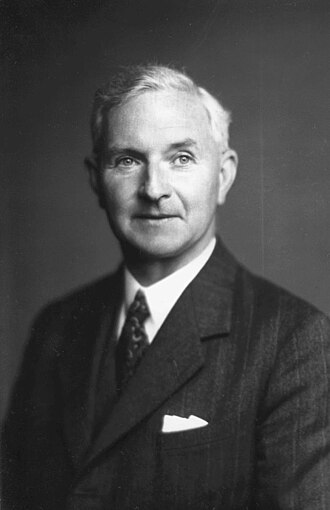
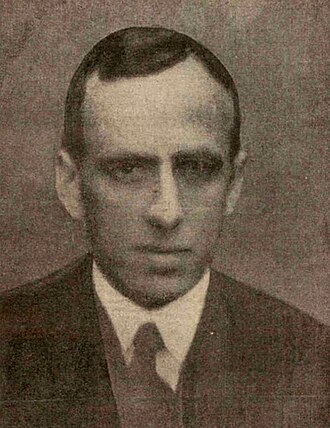
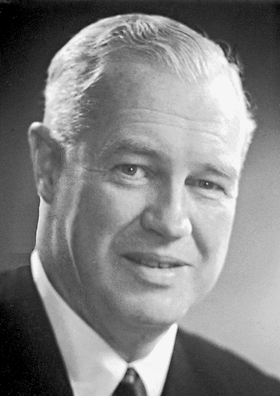
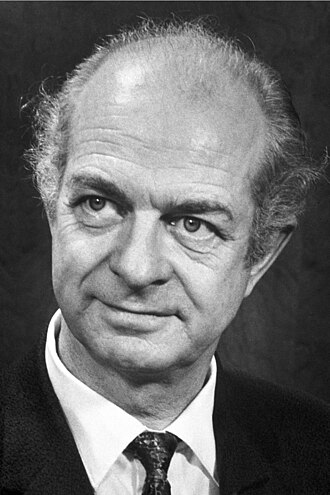
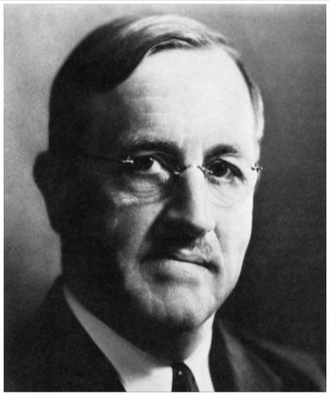
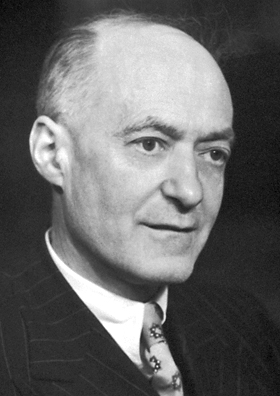

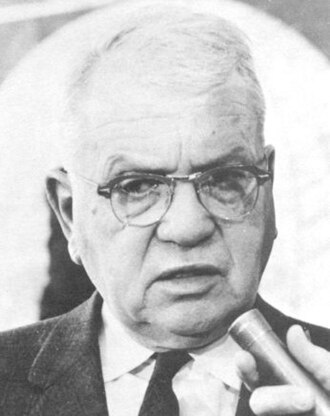
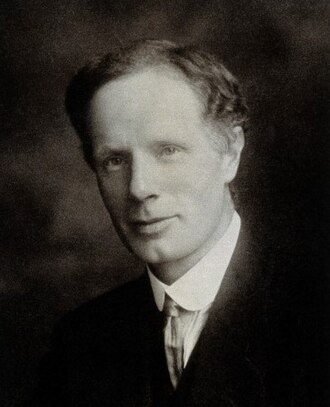








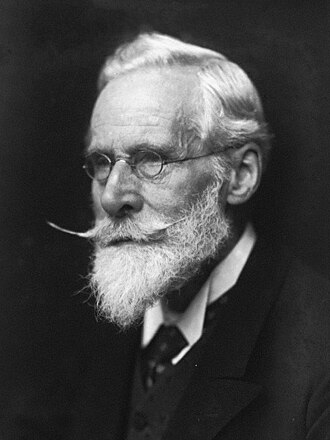
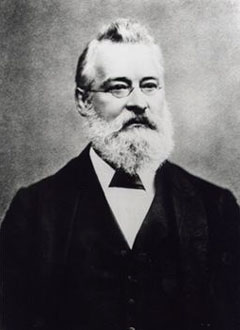
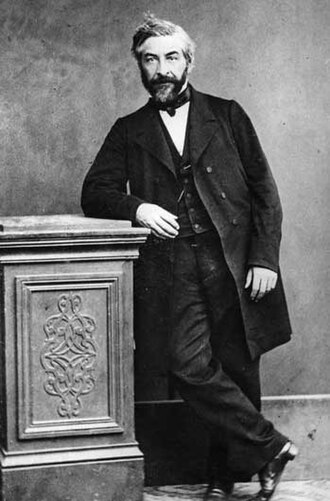
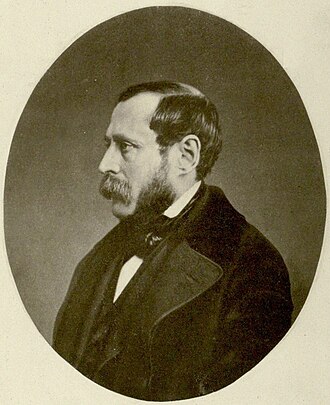

关于戴维奖章
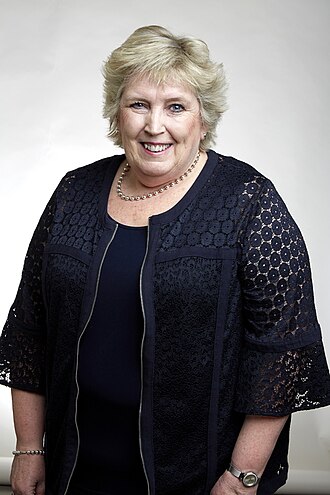
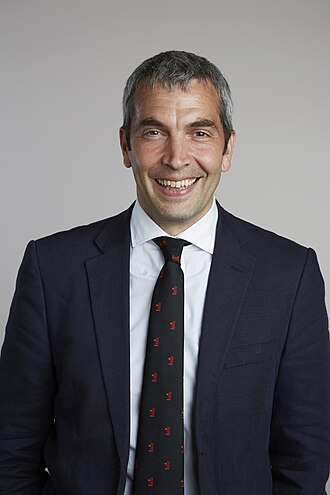
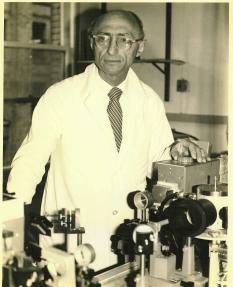
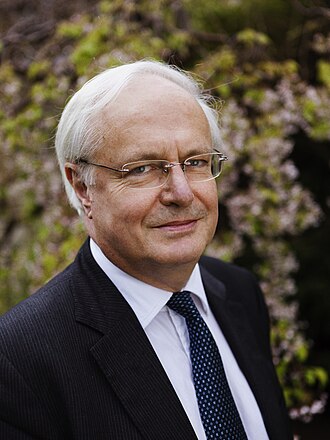
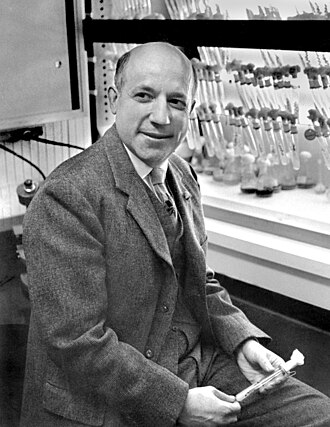
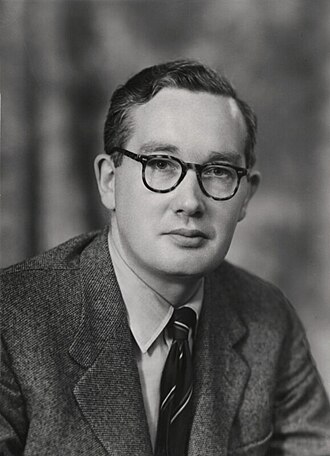
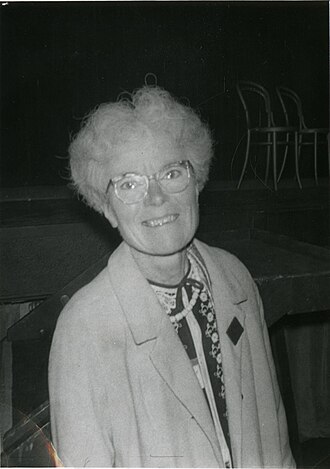
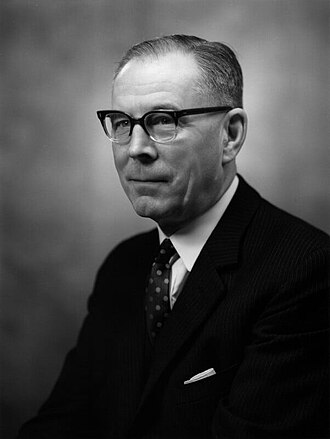
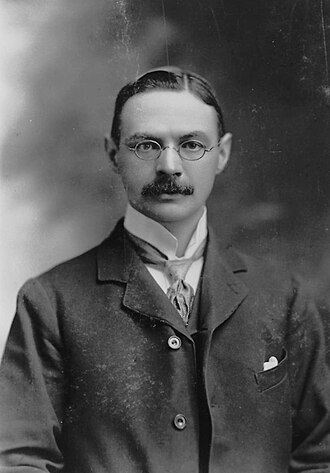
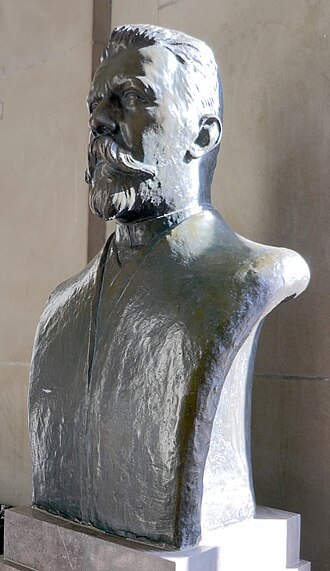
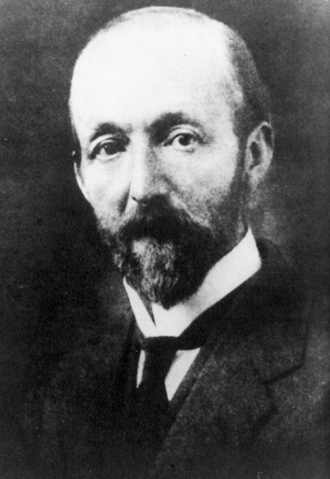
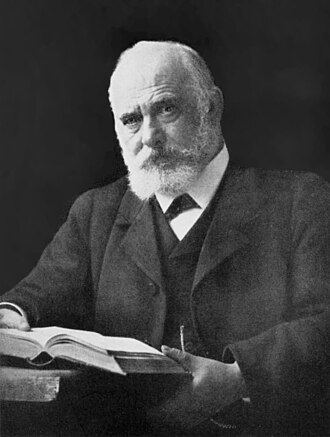
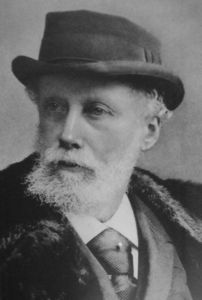
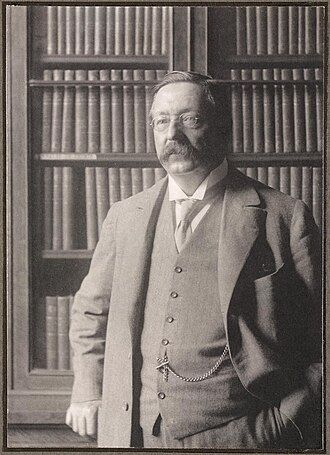
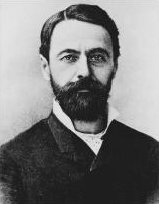
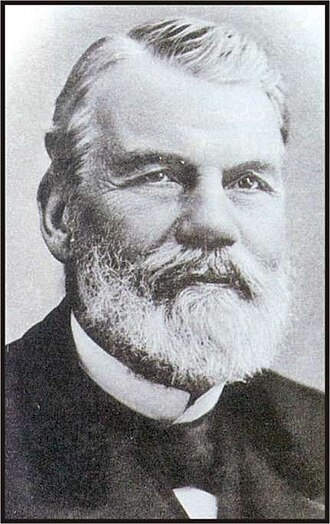
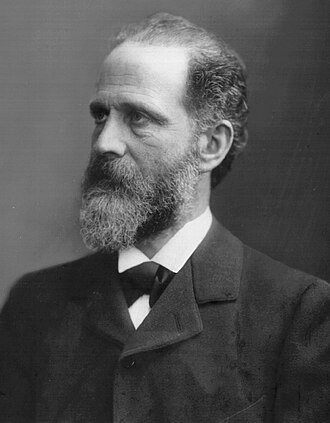
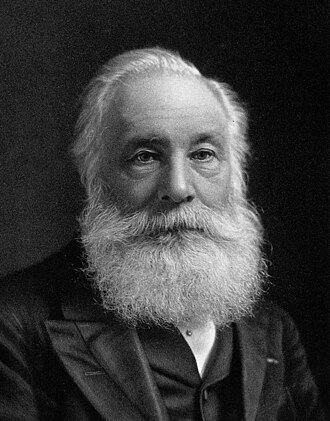
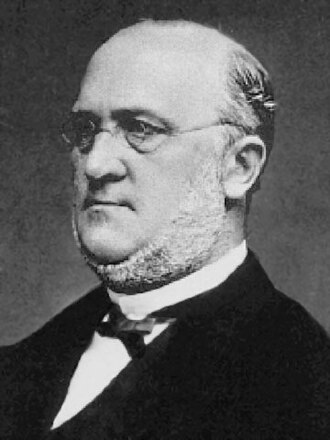
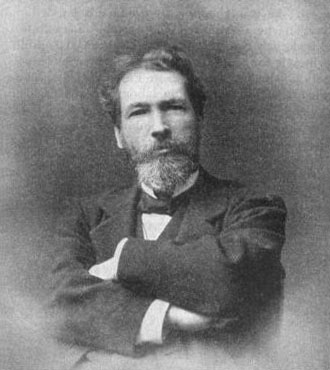
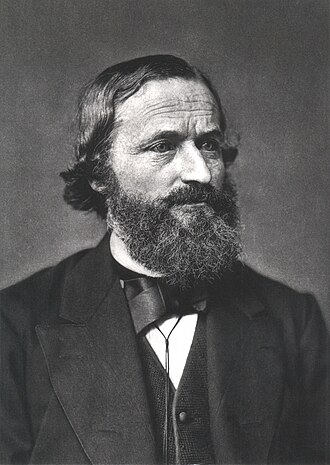
戴维奖章(英语:Davy Medal)也叫戴维奖,是英国皇家学会设立的一个奖项,以表彰那些在任一化学分支下有卓越的、重要的新发现的人。戴维奖章是以无机化学之父汉弗里·戴维的名字命名的,与奖章一同颁发的还有1000英镑奖金。1877年,罗伯特·威廉·本生和古斯塔夫·基尔霍夫因对光谱分析有重要发现和研究而获得第一枚奖章。与皇家学会设立的其他奖章(如休斯奖章)不同的是,戴维奖章每年颁发一次,而且从一开始就未间断过。
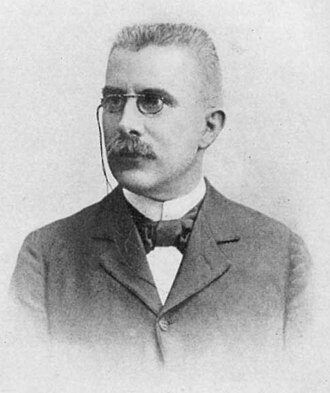
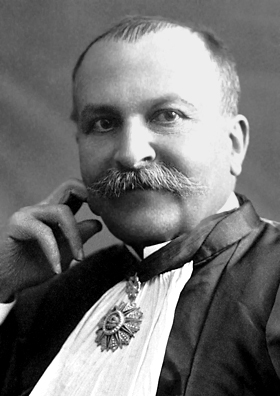
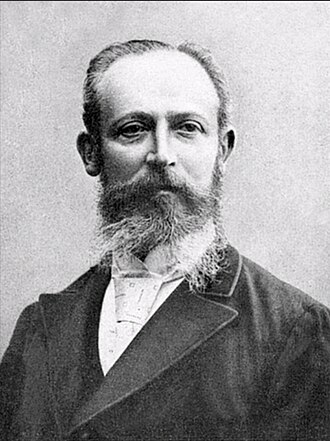
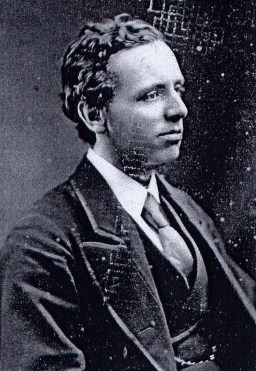
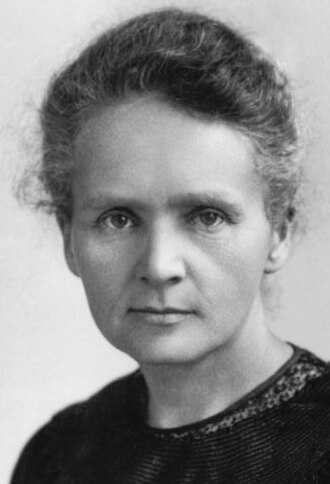
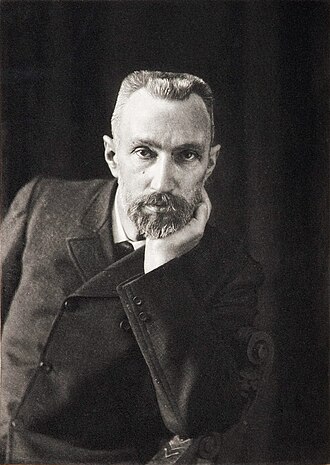
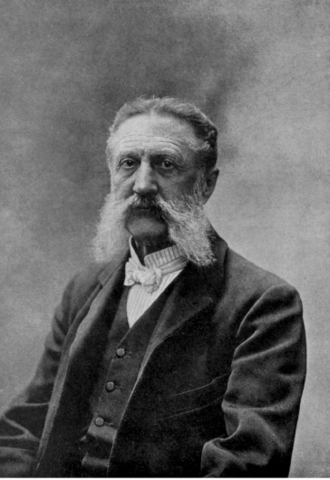
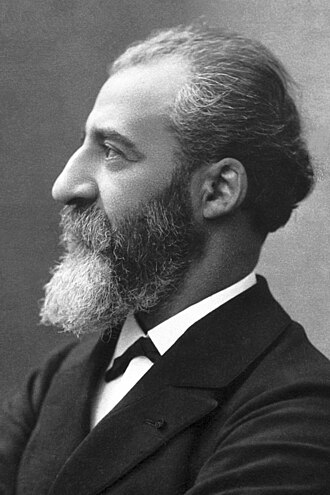
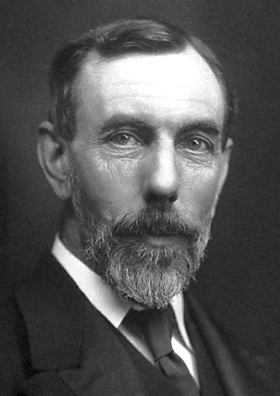
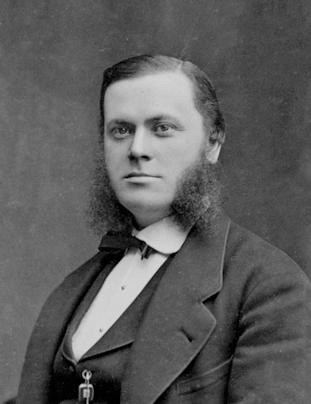
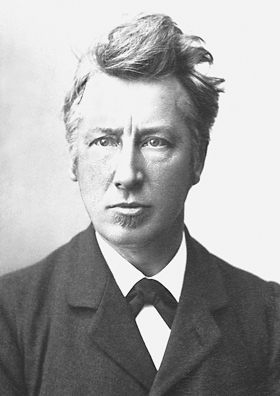
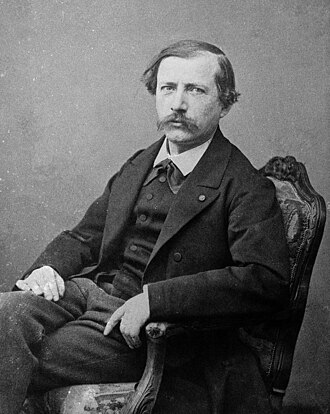
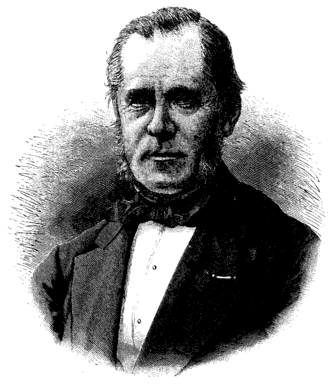
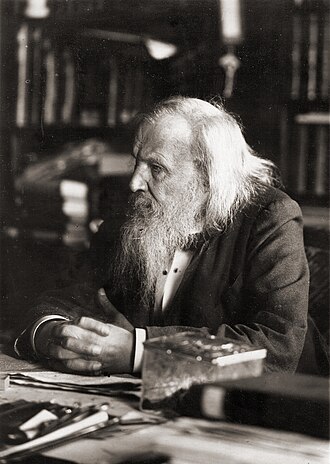
戴维奖章除了在第一届颁给了两个人外,在1882年也同时颁给了德米特里·伊万诺维奇·门捷列夫和尤利乌斯·洛塔尔·迈耶尔(原子量的周期关系的发现),还有1883年马塞兰·贝特洛和尤利乌斯·汤姆森(热化学)、1893年雅各布斯·亨里克斯·范托夫和约瑟夫·阿希勒·勒·拜尔(提出碳原子不对称理论及其用于解释旋光碳原子化合物的构造)、1903年皮埃尔·居里和玛丽·居里(对镭的研究)、1968年约翰·康福思和乔治·约瑟夫·波普雅克(共同阐明聚类异戊二烯和类固醇的生物合成路线)。
获奖者列表
来源:皇家学会 (页面存档备份,存于互联网档案馆)
以上内容摘自维基百科「戴维奖章」,按 CC BY-SA 4.0 使用,去掉了参考文献、外部链接等尾部小节,公式改写成了纯文本。全文、配图和出处见原文。
英文维基百科补充中文条目比较短,下面是英文条目「Davy Medal」的原文
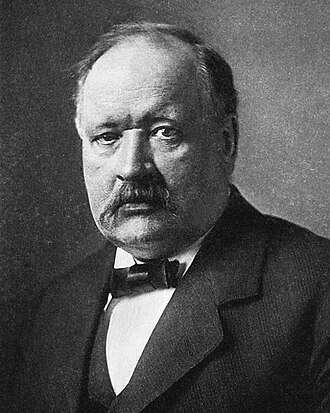
The Davy Medal is awarded by the Royal Society of London "for an outstandingly important recent discovery in any branch of chemistry". Named after Humphry Davy, the medal is awarded with a monetary gift, initially of £1000 (currently £2000). Receiving the Davy Medal has been identified as a potential precursor to being awarded the Nobel Prize in Chemistry, with 22 scientists as of 2022 having been awarded the medal prior to becoming Nobel laureates, according to an analysis by the Royal Society of Chemistry.
History
The medal was first awarded in 1877 to Robert Wilhelm Bunsen and Gustav Robert Kirchhoff "for their researches & discoveries in spectrum analysis", and has since been awarded 140 times. The medal is awarded annually and, unlike other Royal Society medals (such as the Hughes), has been awarded without interruption since its inception.
The medal has been awarded to multiple individuals in the same year: in 1882, for example, it was awarded to Dmitri Mendeleev and Julius Lothar Meyer "for their discovery of the periodic relations of the atomic weights"; in 1883 to Marcellin Berthelot and Julius Thomsen "for their researches in thermo-chemistry"; in 1893 to Jacobus Henricus van 't Hoff and Joseph Achille Le Bel "In recognition of their introduction of the theory of asymmetric carbon, and its use in explaining the constitution of optically active carbon compounds"; in 1903 to Pierre Curie and Marie Curie "for their researches on radium" and in 1968 to John Cornforth and George Joseph Popják "in recognition of their distinguished joint work on the elucidation of the biosynthetic pathway to polyisoprenoids and steroids".
List of recipients
Source: Royal Society Archived 26 September 2015 at the Wayback Machine
以上内容摘自英文维基百科「Davy Medal」,按 CC BY-SA 4.0 使用,去掉了参考文献、外部链接等尾部小节,公式改写成了纯文本。全文、配图和出处见原文。